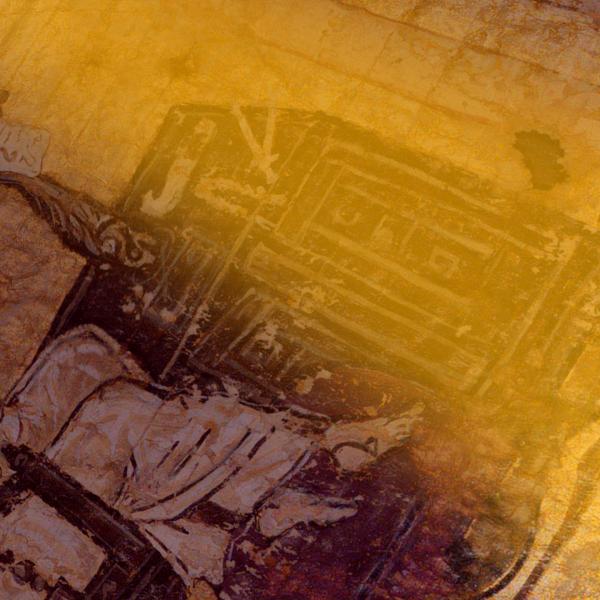
Archimedes (287-212 BC), who is famous for shouting 'Eureka' (I found it) is considered one of the most brilliant thinkers of all times. The 10th-century parchment document known as the “Archimedes Palimpsest” is the unique source for two of the...
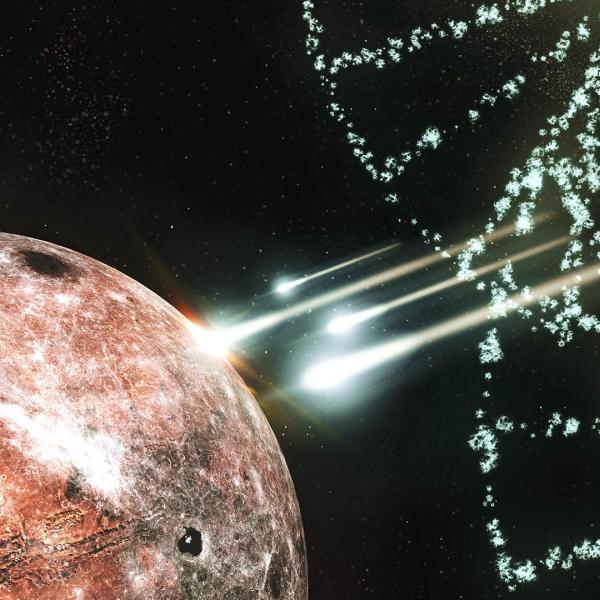
Presented by Arianna Gleason. When and where life originated on Earth – and if, or where, life exists elsewhere in the cosmos – are some of the biggest scientific questions of our time.
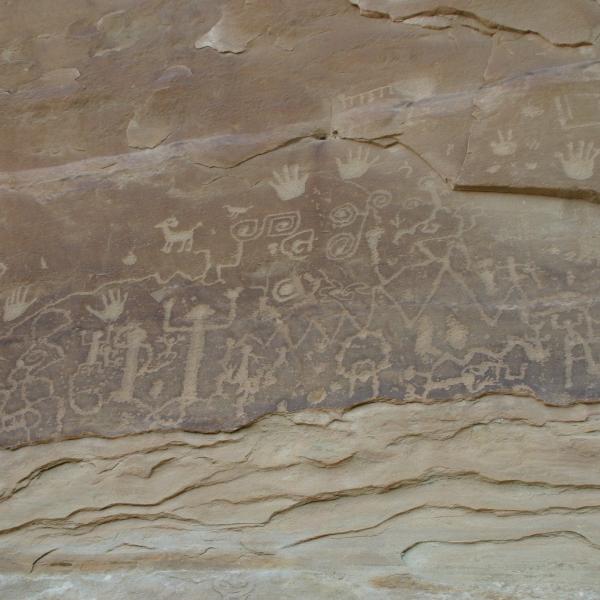
Petroglyphs are carved in a material called rock varnish, the origins of which have been debated for years. Now, scientists argue it’s the result of bacteria and an adaptation that protects them from the desert sun’s harsh rays.
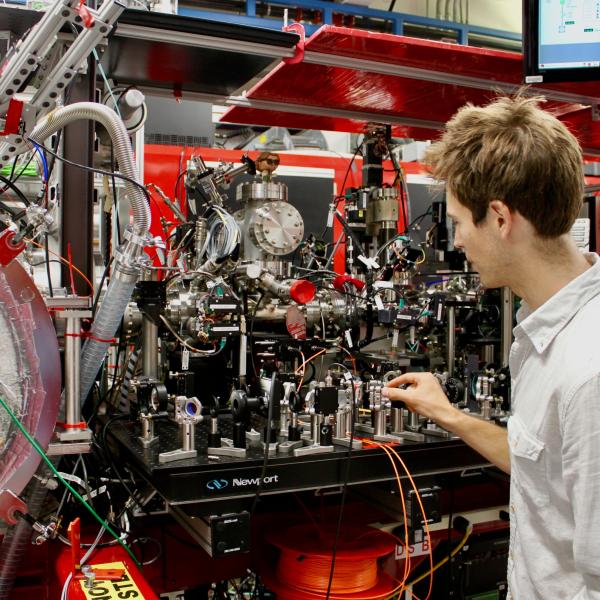
Presented by Diana Gamzina. In particle accelerators, electrons are pushed to extreme energies by electromagnetic fields that oscillate inside evacuated metal cavities. Those cavities are usually made of copper.
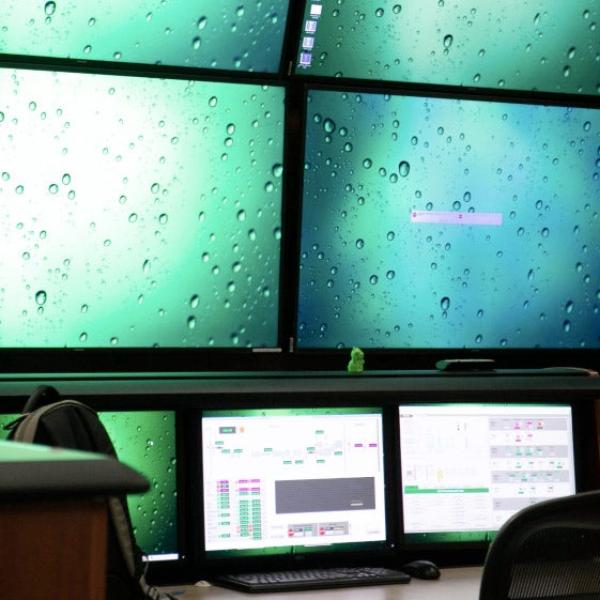
The lab’s X-ray laser recently joined other facilities in making remote science possible from any corner of the world, a trend that will likely continue into the future.
Areas of research: X-ray and ultrafast science; Linac Coherent Light Source (LCLS); LCLS-II; molecular movies; chemical sciences; chemical dynamics; X-ray imaging; ultrafast electron diffraction (UED)
Our original 2-mile-long particle accelerator, built half a century ago for groundbreaking particle physics research, has been repurposed as the world’s first hard X-ray free-electron laser and a testbed for next-generation accelerator technologies.