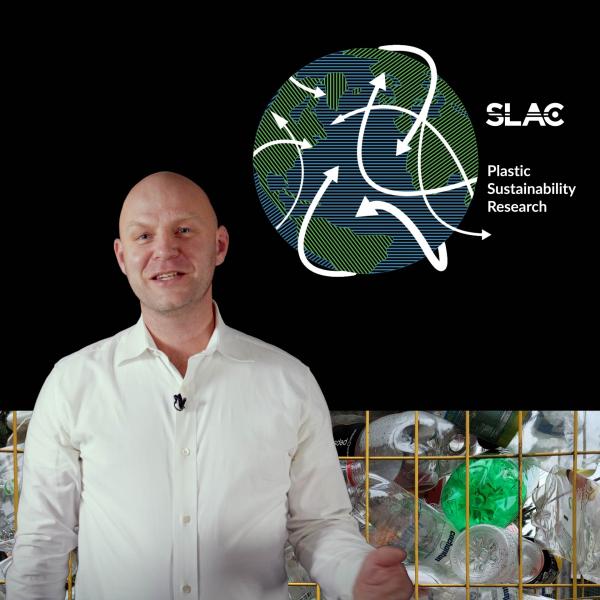
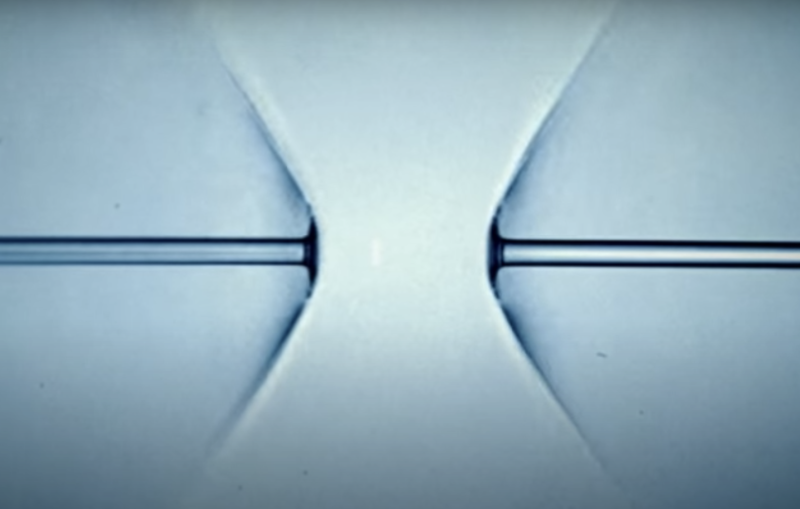
Christopher J. Tassone, PhD provides an overview of the research that SLAC National Accelerator Laboratory performed as part of the Bio-Optimized Technologies to keep Thermoplastics out of Landfills and the Environment (BOTTLETM) consortium.
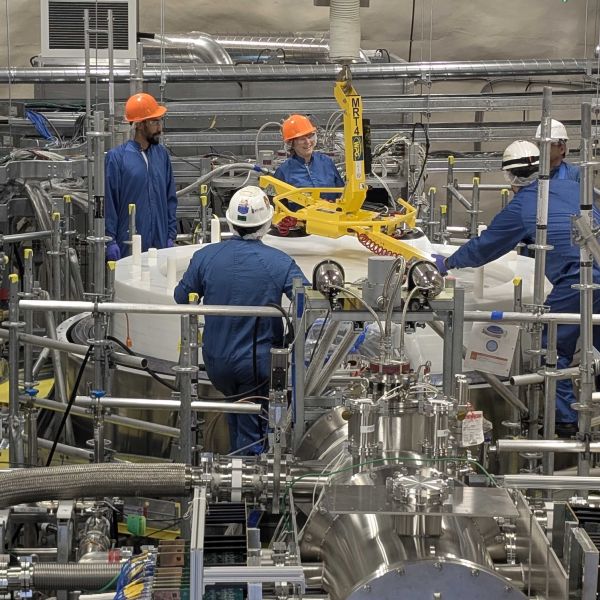
The deep-underground experiment could produce early-scientific results in the search for one of nature’s most elusive substances even, before reaching optimal sensitivity when the full search begins next year.
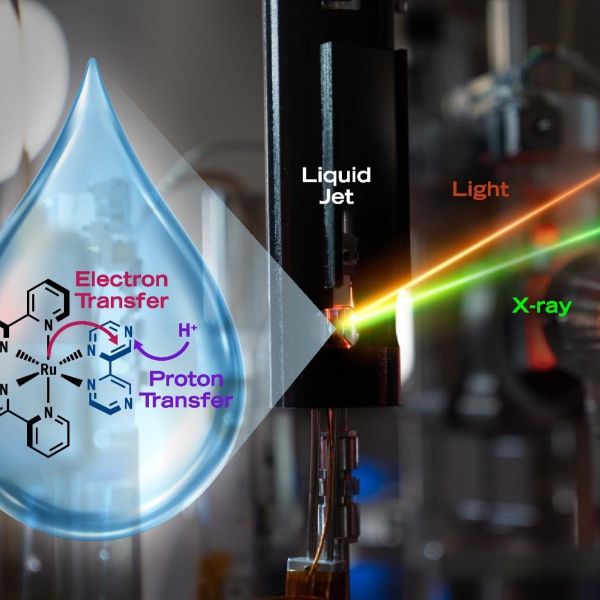
The Chemical Science Division's areas of research strength include ultrafast chemical science at the PULSE Institute, and chemical catalysis at the SUNCAT Center.
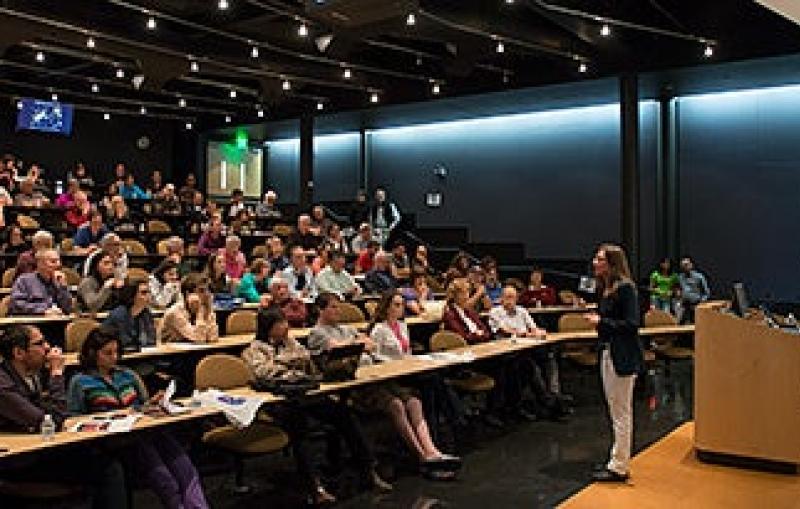
A venue for the SLAC community to hear about a wide range of scientific and science-related topics, presented by notable speakers from SLAC, Stanford, and institutions from around the country and the world.
The LUX-ZEPLIN experiment observed a particle interaction that could be interpreted as a signal from WIMPs, a dark matter candidate – but researchers will need more data to confirm.