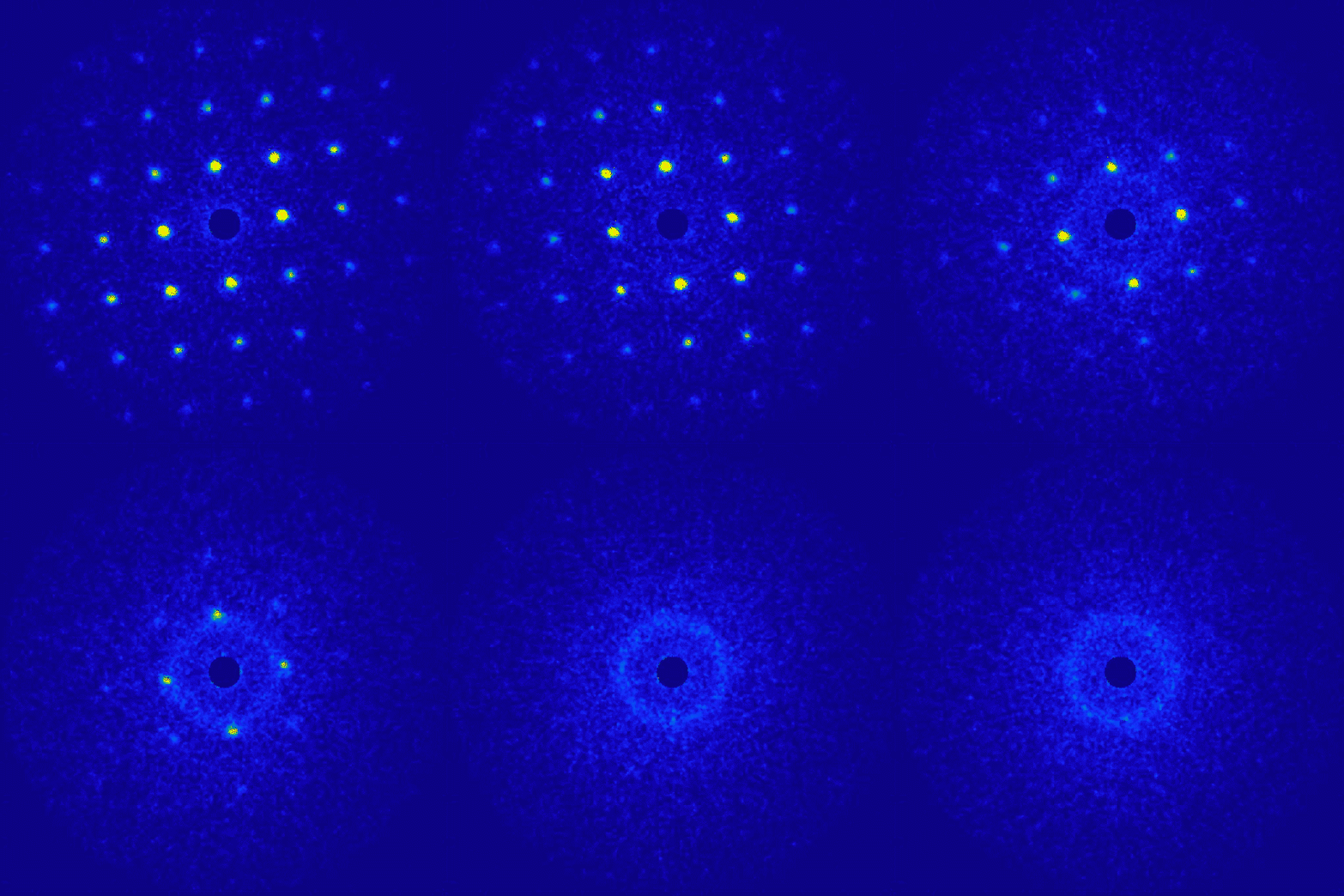
This animation shows the results of a recent study at SLAC, in which researchers used a powerful beam of electrons to watch gold melt extremely rapidly after being heated by a laser pulse.
This movie shows the transition of a gold sample from a solid (dotted pattern) to a liquid (ring pattern) after being heated by a laser pulse. It was taken with SLAC’s ultrafast “electron” camera, an instrument for ultrafast electron diffraction...
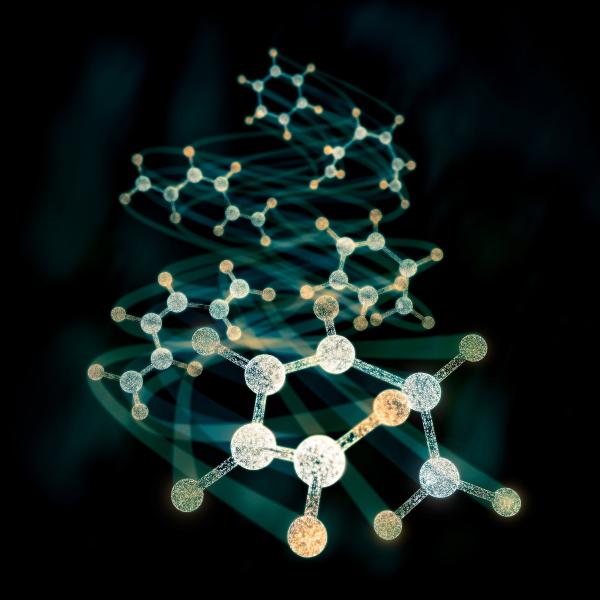
This illustration shows snapshots of the light-triggered transition of the ring-shaped 1,3-cyclohexadiene (CHD) molecule (background) to its stretched-out 1,3,5-hexatriene (HT) form (foreground).
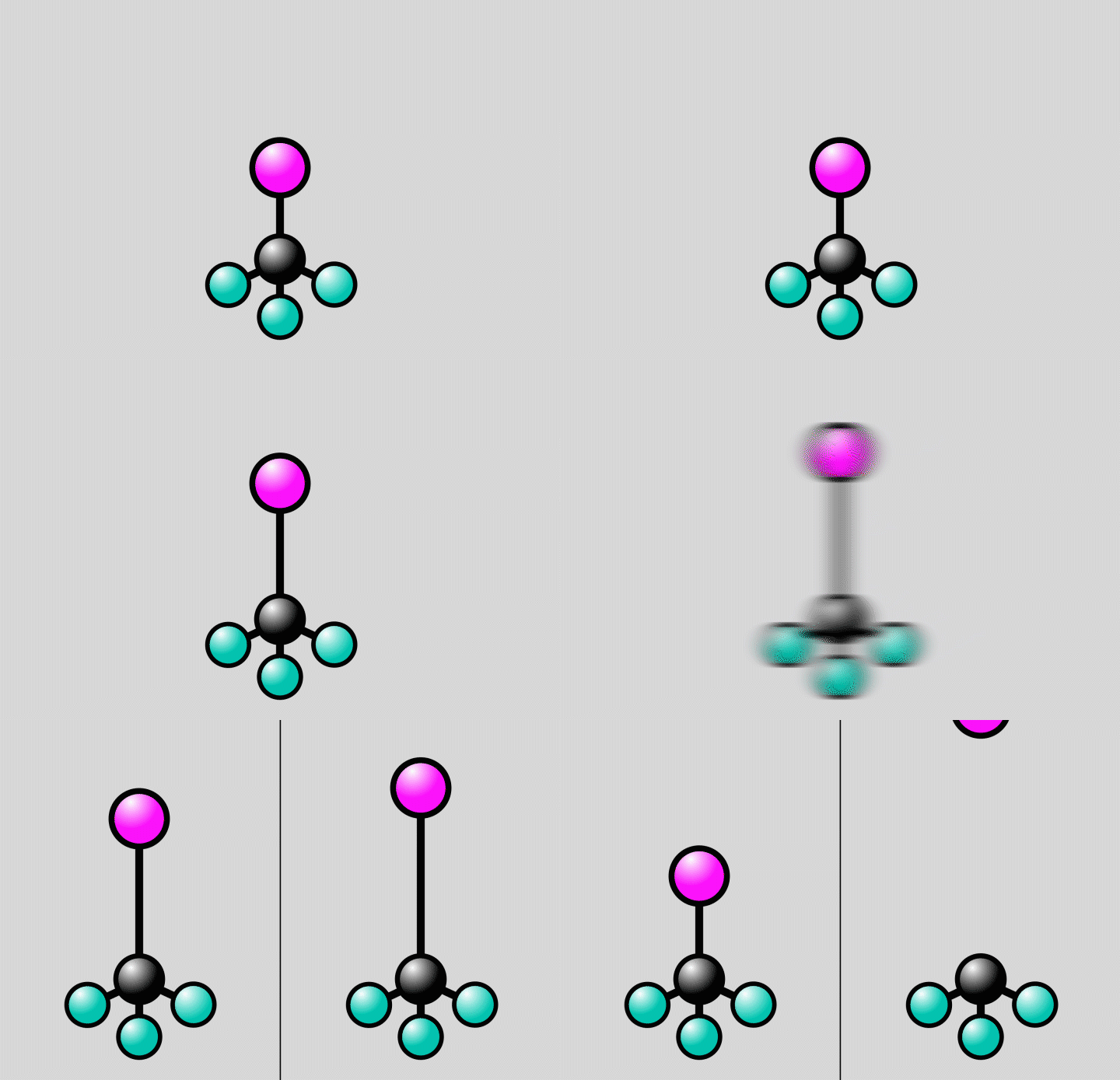
Animation of a trifluoroiodomethane molecule (carbon shown in black, fluoride in green, iodine in pink) responding to laser light. The light flash stretches the bond between the carbon and iodine atoms to a point where the bond can either break...
This video explains how researchers at SLAC are using a method known as ultrafast electron diffraction (UED) to develop an atomic-level understanding of how metals melt, which could help them design materials for applications where materials have to withstand extreme...
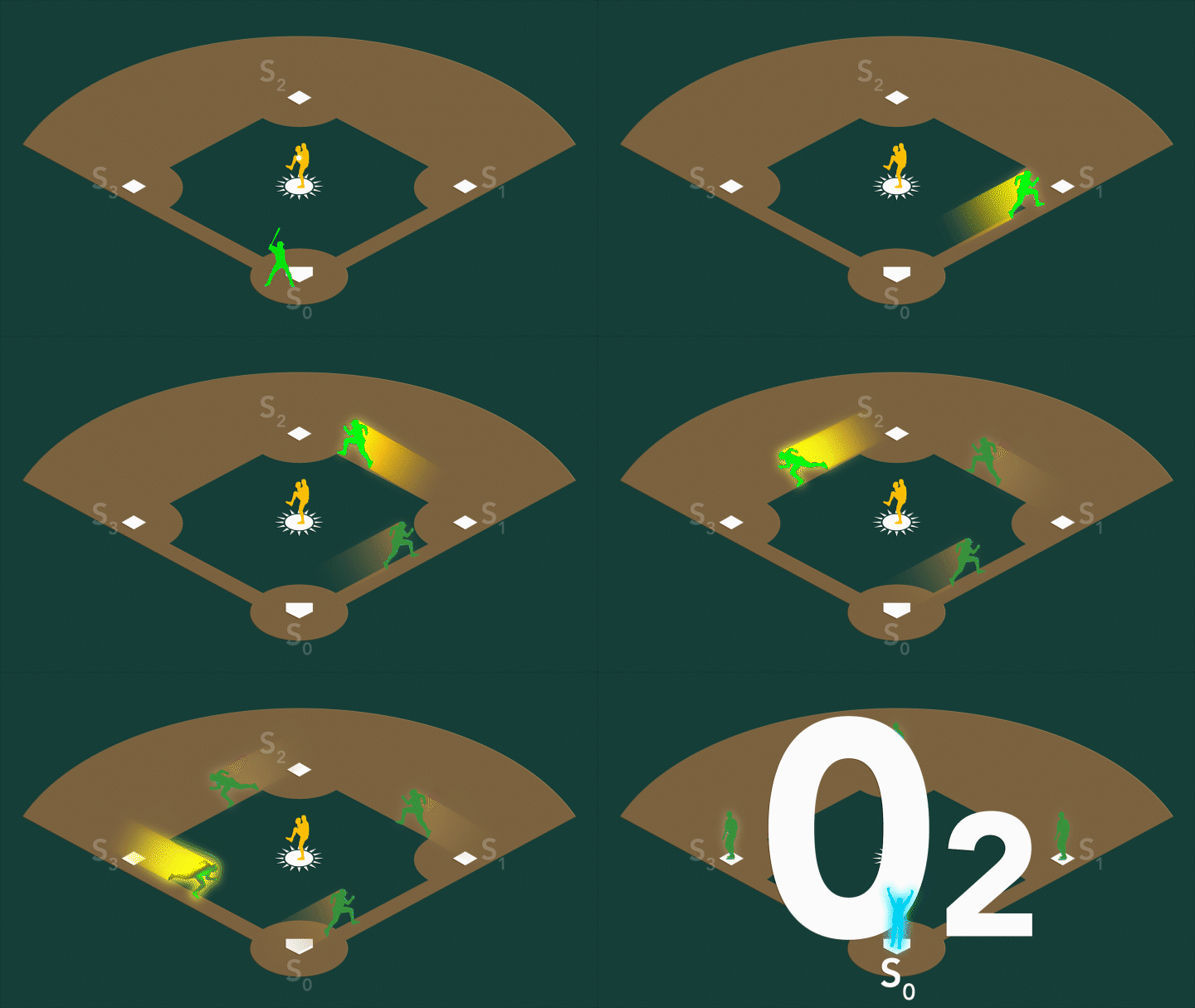
In photosystem II, the water-splitting center cycles through four stable states, S0-S3. On a baseball field, S0 would be the start of the game when a batter on home base is ready to hit.
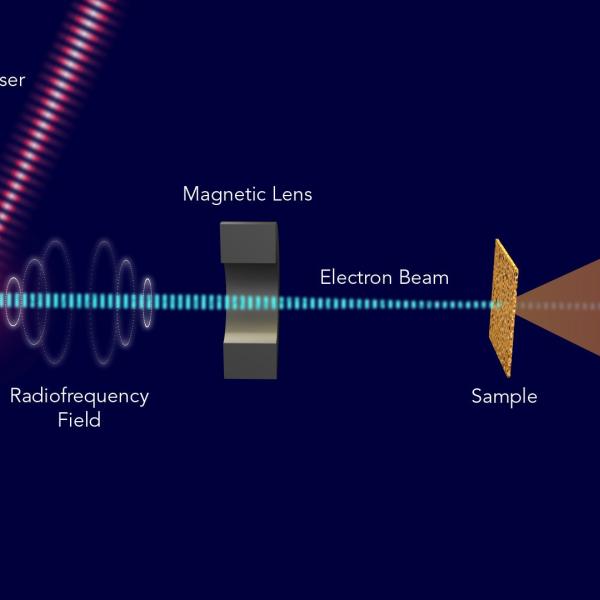
Schematic of SLAC’s new apparatus for ultrafast electron diffraction – one of the world’s fastest “electron cameras” – researchers can study motions in materials that take place in less than 100 quadrillionths of a second.