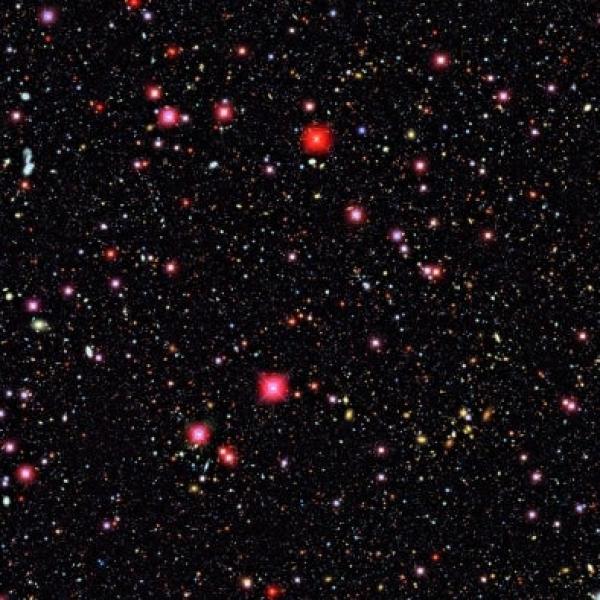
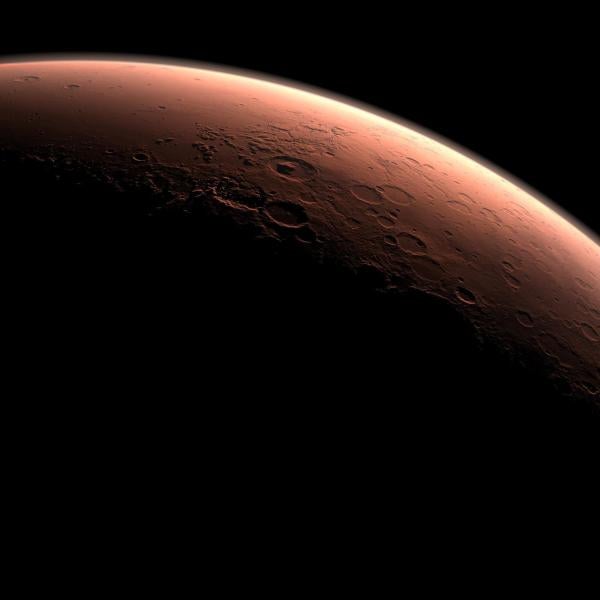
Physicists have good reason to believe 85 percent of the matter in the universe is currently undetectable. But not being able to see it didn’t keep students at the 42nd SLAC Summer Institute from learning about it.
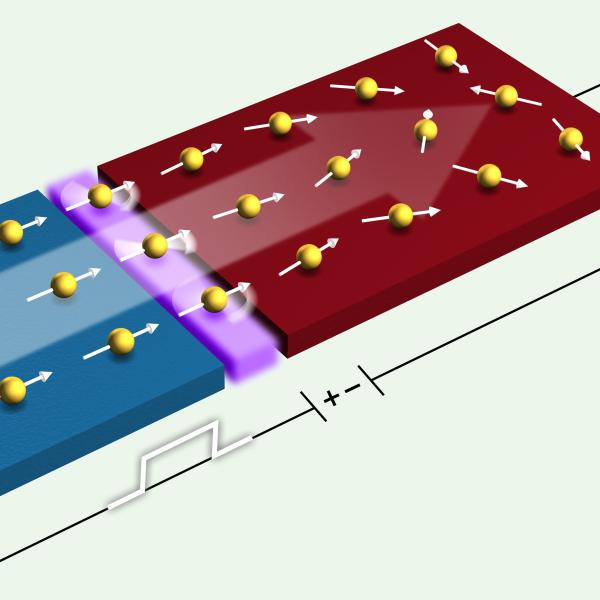
Researchers at SLAC have for the first time seen a spin current – an inherent magnetic property common to all electrons – as it travels across materials.
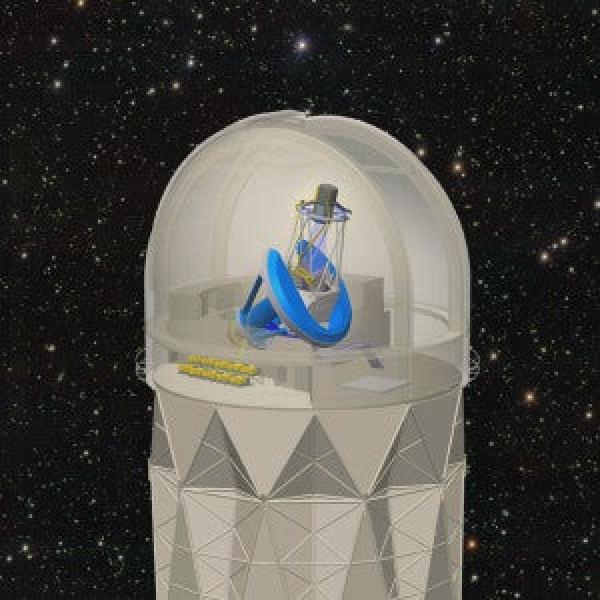
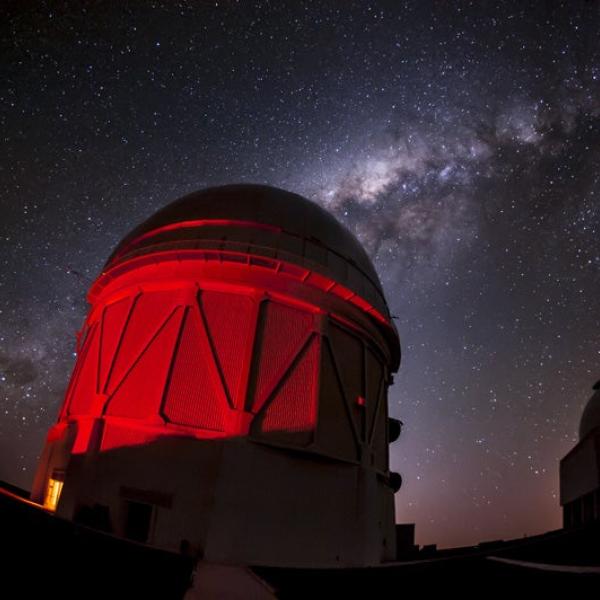
The DOE has approved the project’s scientific scope, schedule and funding. SLAC researchers are among the 200 physicists and astronomers who make up the international DESI Collaboration.
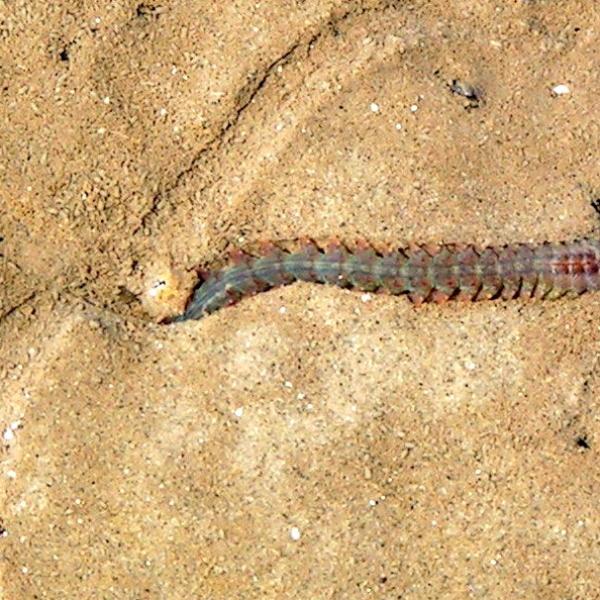
X-ray research on 80-million-year-old fossilized burrows, likely the work of tiny marine worms, is helping scientists understand how living organisms affected the chemistry of the sea floor.
Like turning a snowball back into fluffy snow, a new technique turns high-density materials into a lower-density one by applying the chemical equivalent of ‘negative pressure.’
Water is more complicated than it seems. Now a study led by researchers at Stockholm University has probed the movements of its molecules on a timescale of millionths of a billionth of a second.
SLAC and Stanford astrophysicists made crucial contributions to the galaxy survey, showing that the universe clumps and expands as predicted by our best cosmological models.