SLAC topics

X-ray light sources and electron imaging RSS feed

X-ray light sources and electron imaging are advanced techniques used to study the structure and properties of materials. X-ray light sources use high-energy photons to produce X-rays, while electron imaging uses high-energy electrons to produce detailed images of samples. 

Browse tagged content

Aerial view of SLAC
Feature

An all-day symposium recognized the professor emeritus for his many contributions to the scientific community, from pioneering synchrotron radiation research at SSRL to making...

Feature

President Obama honored a SLAC and UCLA scientist for work that paved the way for the brightest sources of X-ray light on the planet.

Image - Claudio Pellegrini, right, talks with President Obama in the Oval Office on Tuesday. (Pete Souza/Official White House Photo)
Feature

A physicist at Argonne National Laboratory has been recognized for pioneering experiments at SLAC that helped establish a new way to study the structure...

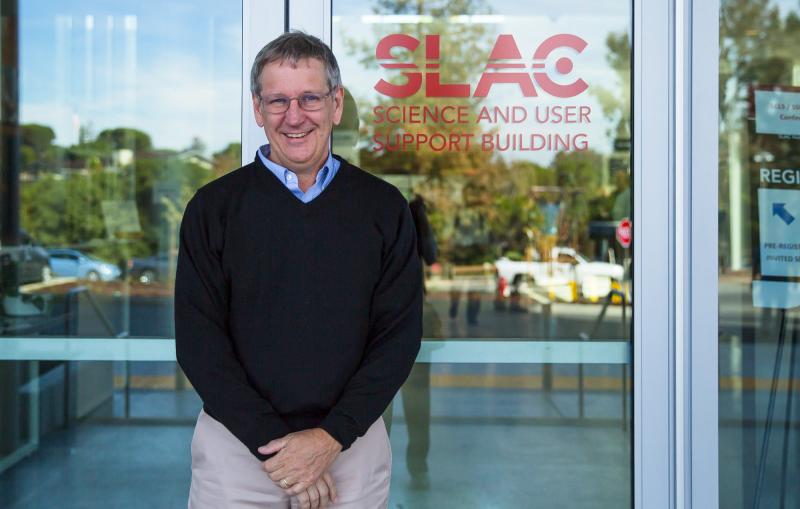
Image - Paul Fuoss (SLAC National Accelerator Laboratory)
Feature

X-ray research on 80-million-year-old fossilized burrows, likely the work of tiny marine worms, is helping scientists understand how living organisms affected the chemistry of...

Image - This marine worm, commonly known as a ragworm, can grow up to 4 inches in length. It is part of a class of worms known as polychaetes. A far smaller variety of polychaetes was likely responsible for creating ancient burrows studied at SLAC.
Feature

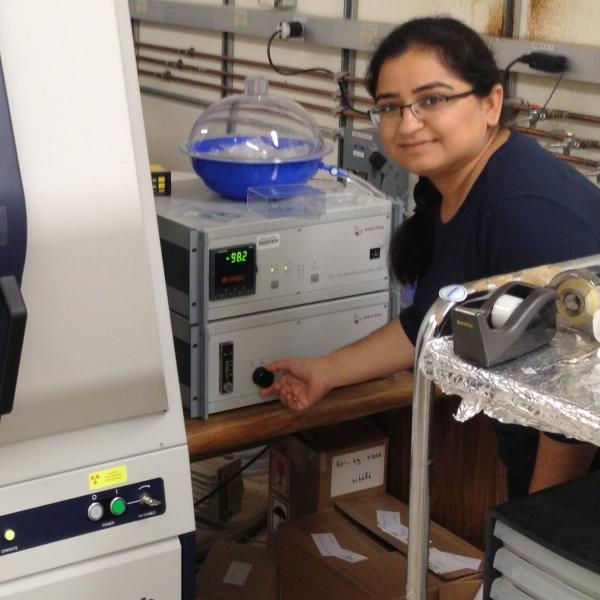
The former SLAC and Stanford researcher will be recognized during a SLAC conference next month for her work in studying nanoscale magnetic and electronic...

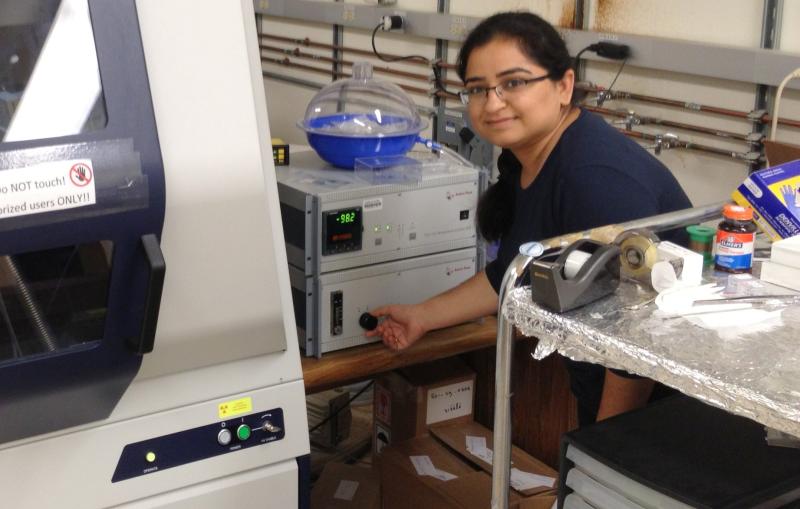
Image - Roopali Kukreja, working in a laboratory at the University of California, San Diego. (Courtesy of Roopali Kukreja)
Feature

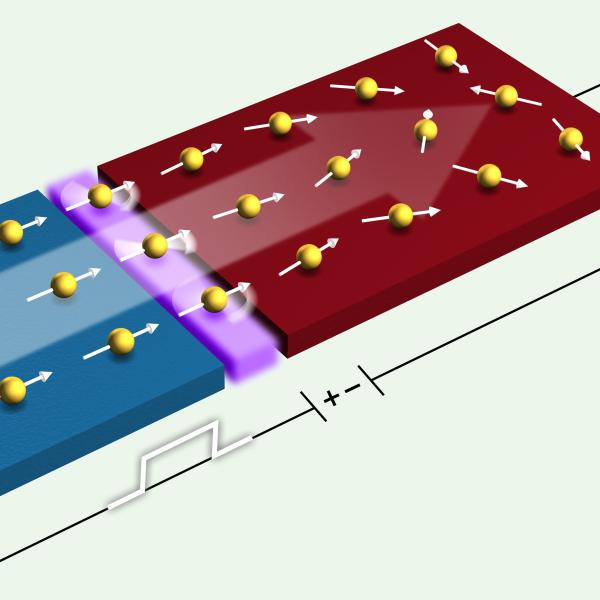
Researchers at SLAC have for the first time seen a spin current – an inherent magnetic property common to all electrons – as it...

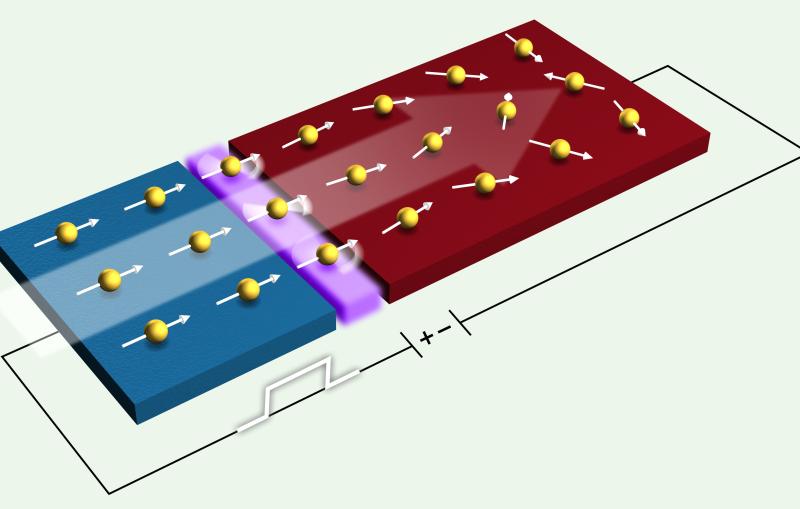
Image - This illustration shows the flow of a magnetic property of electrons known as spin current from a magnetic material (blue), to a nonmagnetic material (red). (SLAC National Accelerator Laboratory)
Feature

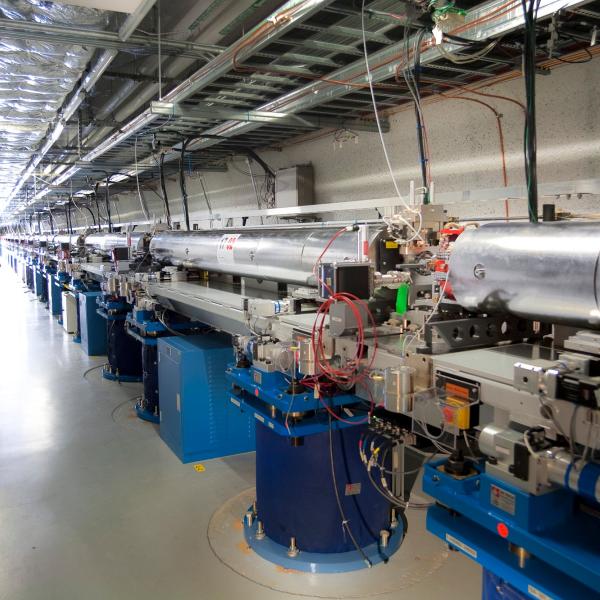
In a first-of-its-kind experiment, scientists got a textbook-worthy result that may change the way matter is probed at X-ray free-electron lasers.

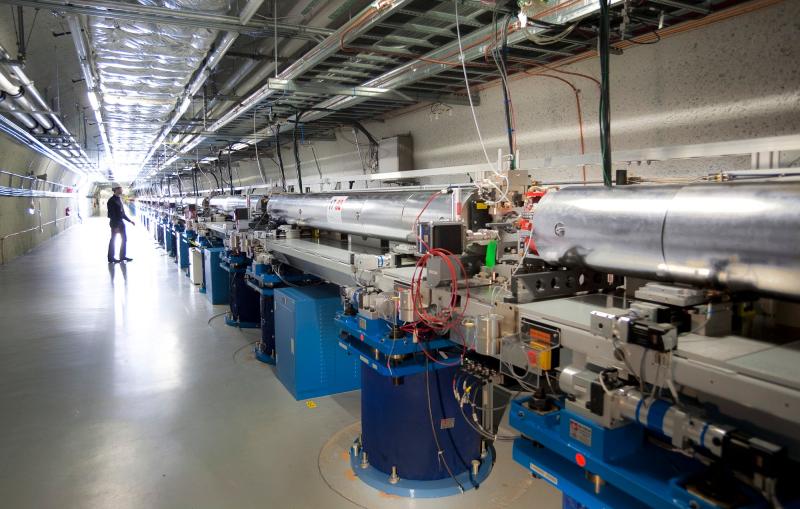
The Linac Coherent Light Source X-ray laser at SLAC
Feature

Graham George and Ingrid Pickering, a husband and wife X-ray research team, are co-leading a new study in Bangladesh to test whether selenium supplements...

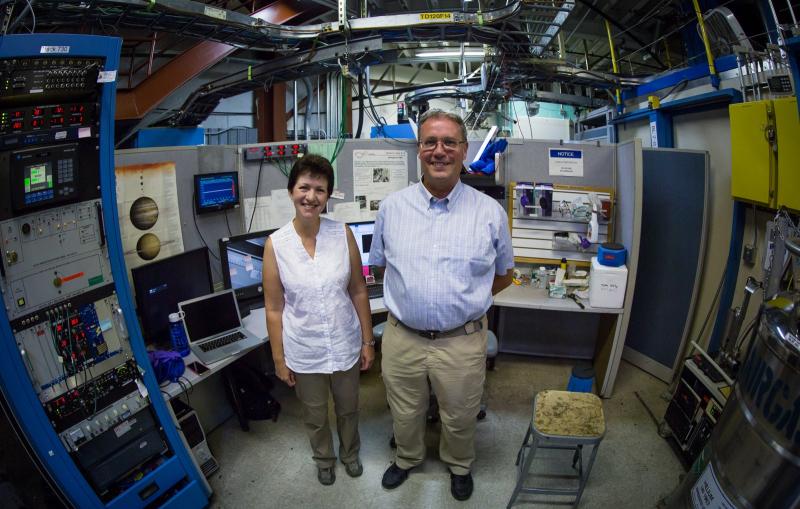
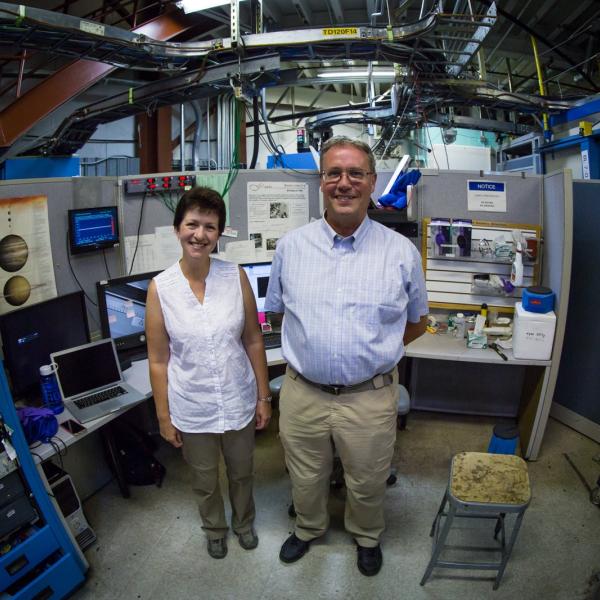
Image - Ingrid Pickering and Graham George, a husband-and-wife X-ray research team, stand next to the controls of SSRL Beam Line 7-3 during a research sabbatical at SLAC. (SLAC National Accelerator Laboratory)
News Release

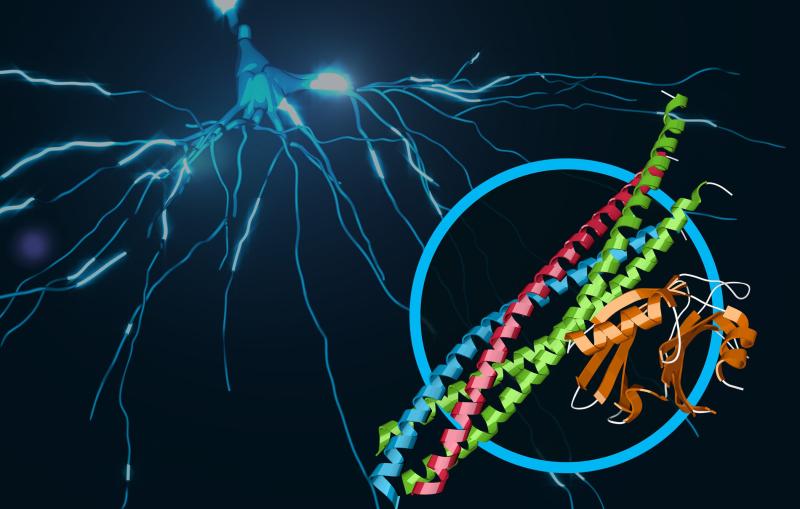
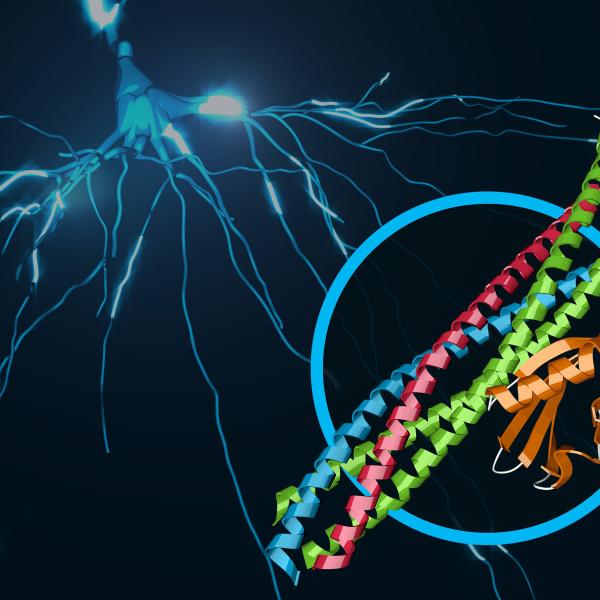
Scientists have revealed never-before-seen details of how our brain sends rapid-fire messages between its cells using SLAC's X-ray laser.

Image - This illustration shows a protein complex at work in brain signaling. Its structure, which contains joined protein complexes known as SNARE and synaptotagmin-1, is shown in the foreground. (SLAC National Accelerator Laboratory)
Feature

Scientists and engineers in South Korea will soon be using SLAC’s signature high-power radio-frequency amplifiers, called XL4 klystrons, to get the most out of...

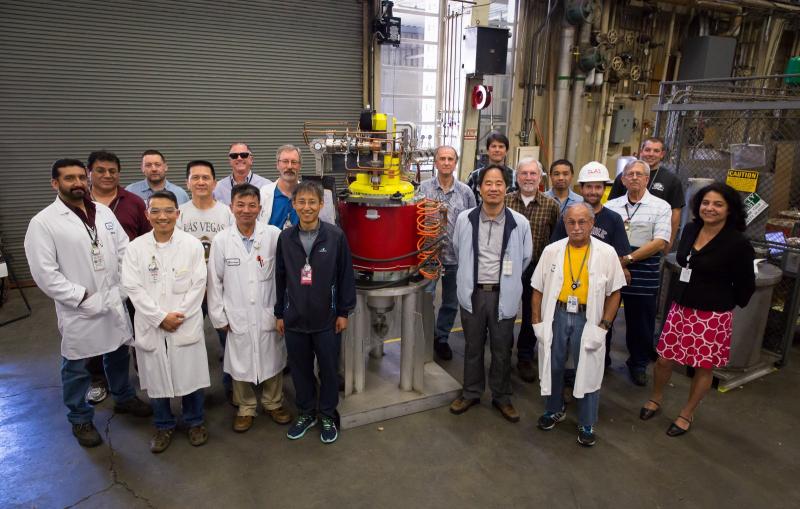
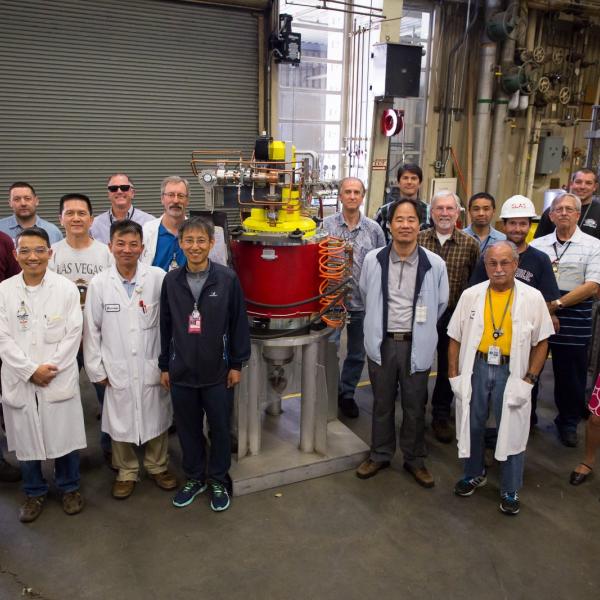
Members of the SLAC Advanced Prototyping, Fabrication and Test Facilities department
Feature

A researcher interviewed SLAC and Stanford administrators, scientists and Nobel laureates and sifted through archival materials to better understand the drivers for change in...

Image - Olof Hallonsten
News Release

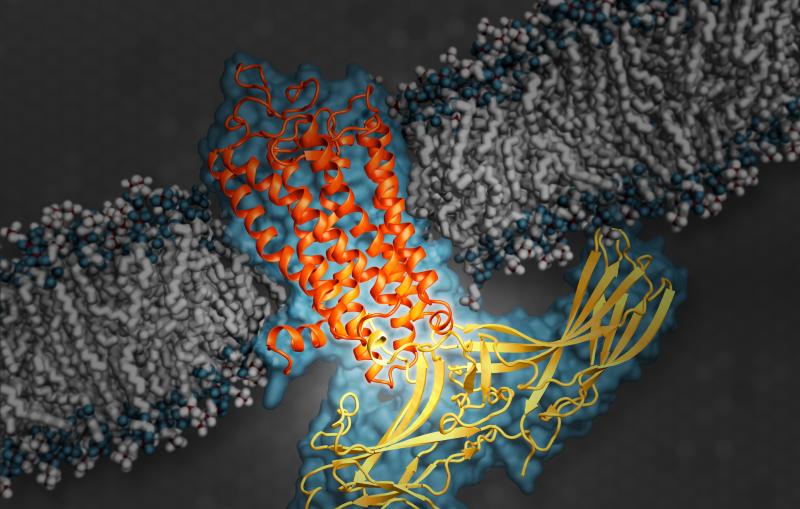
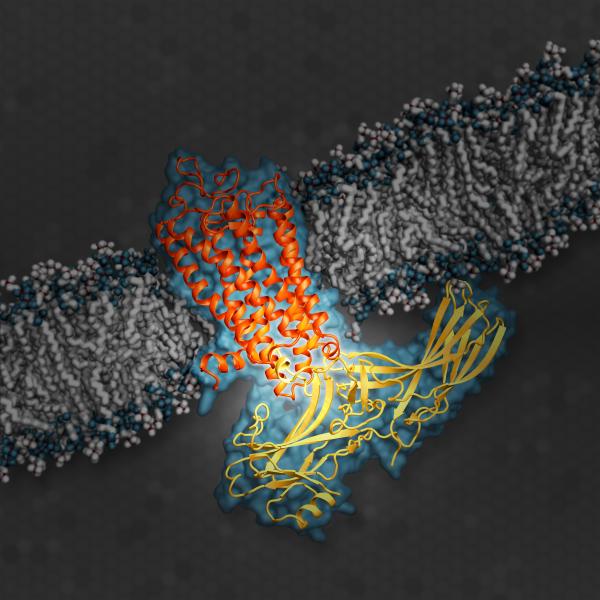
A biomedical breakthrough reveals never-before-seen details of the human body’s cellular switchboard that regulates sensory and hormonal responses.

 Illustration shows arrestin (yellow), an important type of signaling protein, while docked with rhodopsin (orange).