
SLAC topics

Ultrafast science RSS feed

SLAC is the world’s leading center for developing “ultrafast” X-ray, laser and electron beams that allow us to see atoms and molecules moving in just millionths of a billionth of a second. We can even create stop-action movies of these tiny events.

Related Links:
DOE explains...Ultrafast science

Browse tagged content

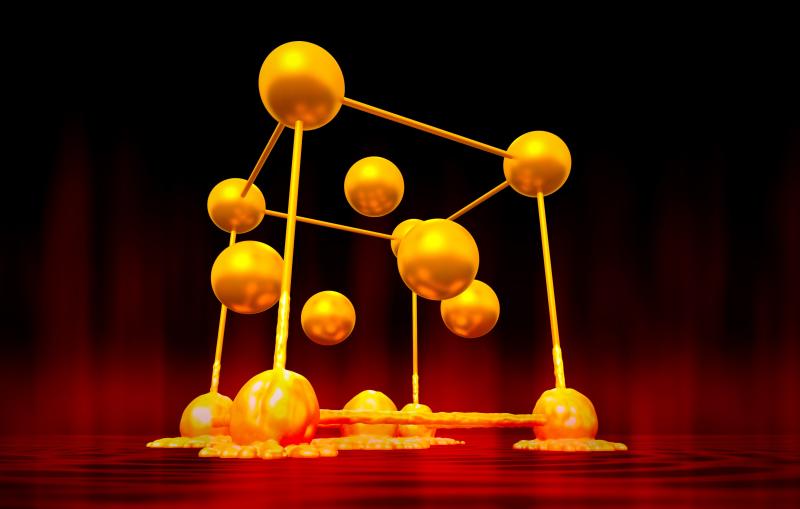
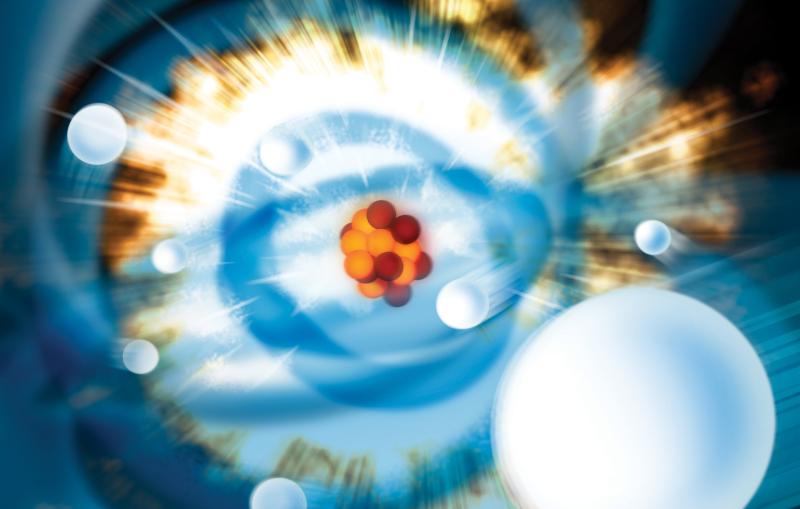
This illustration shows how the first experiment at SLAC's Linac Coherent Light Source X-ray laser stripped away electrons from neon atoms. (SLAC National Accelerator Laboratory)
News Release

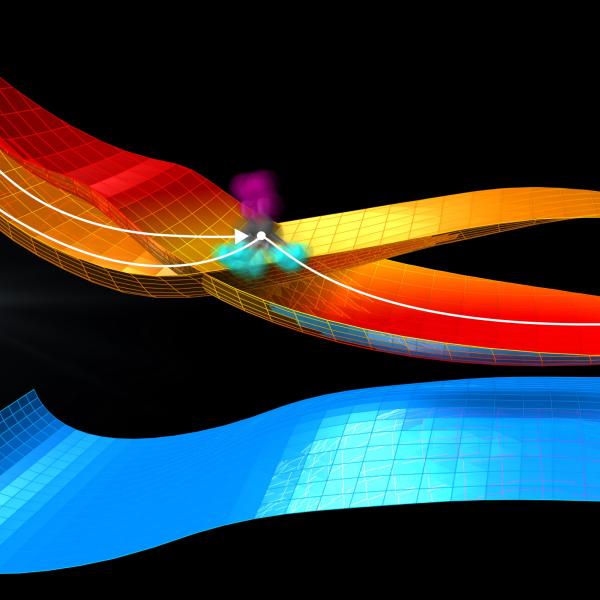
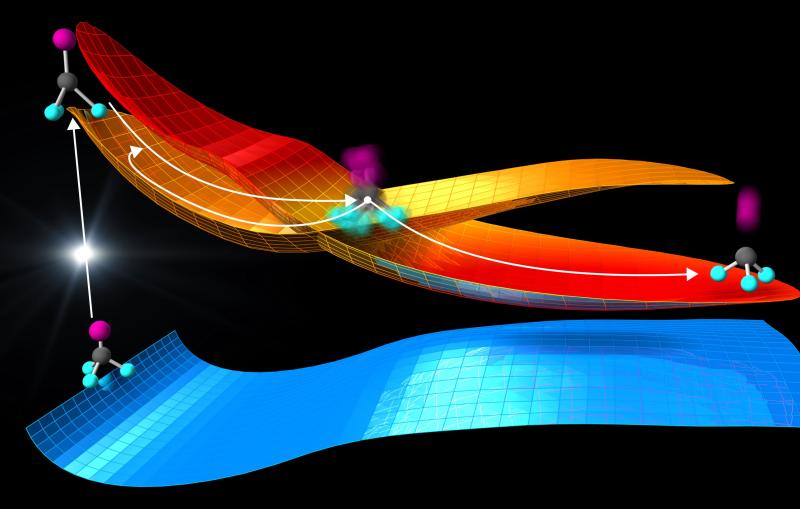
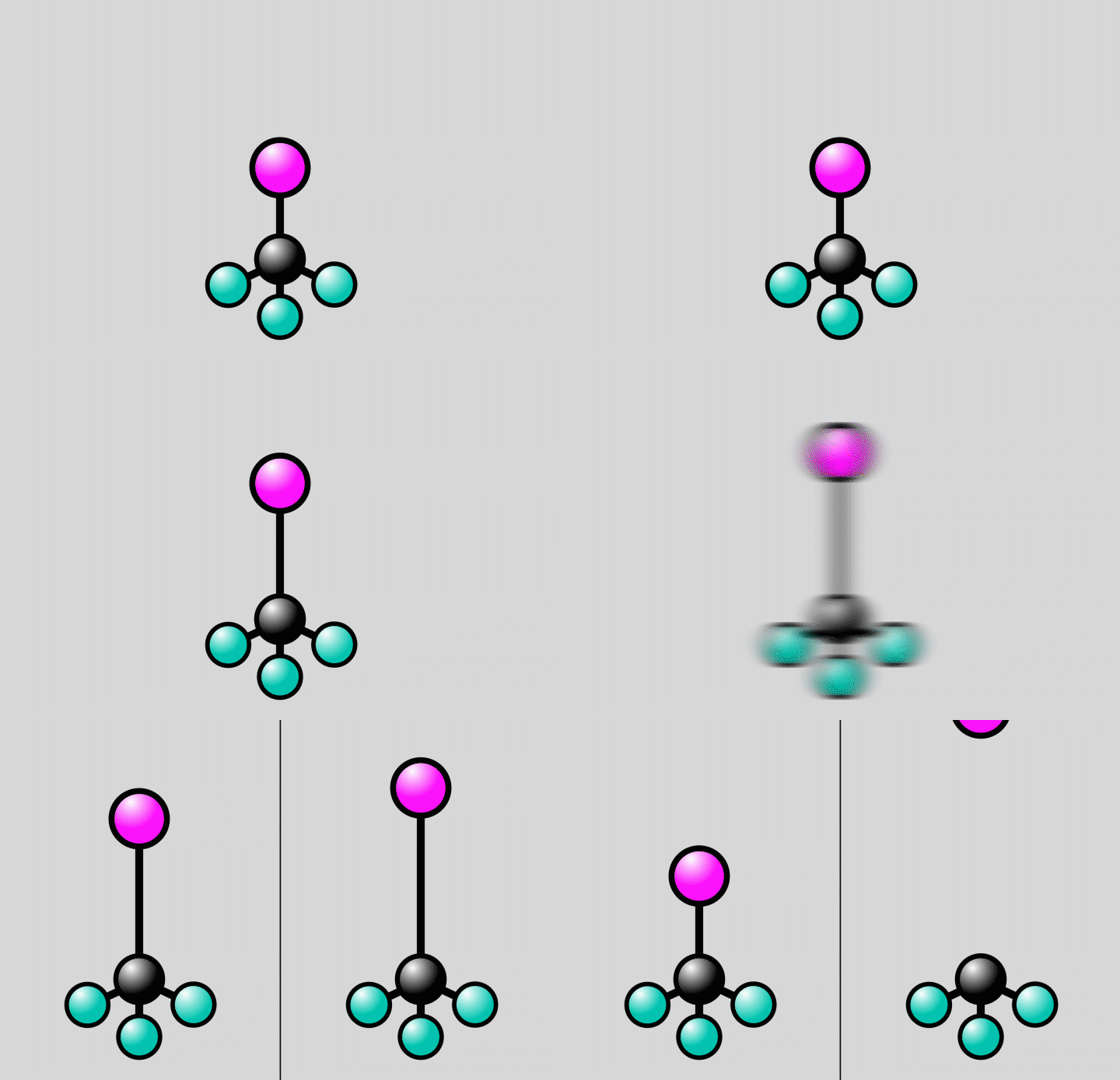
To break, or not to break: An unprecedented atomic movie captures the moment when molecules decide how to respond to light.

UED Bond Breaking
Animation
Animation of a trifluoroiodomethane molecule (carbon shown in black, fluoride in green, iodine in pink) responding to laser light. The...
UED Bond Breaking
News Release

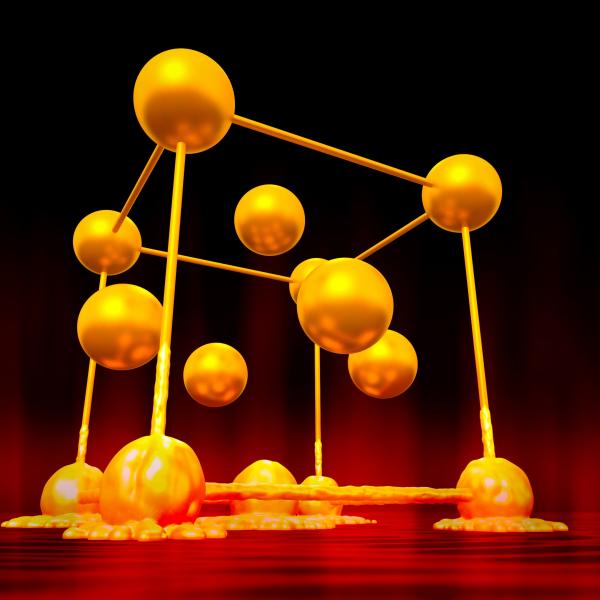
SLAC’s high-speed ‘electron camera’ shows for the first time the coexistence of solid and liquid in laser-heated gold, providing new clues for designing materials...

UED Gold Melting
Animation
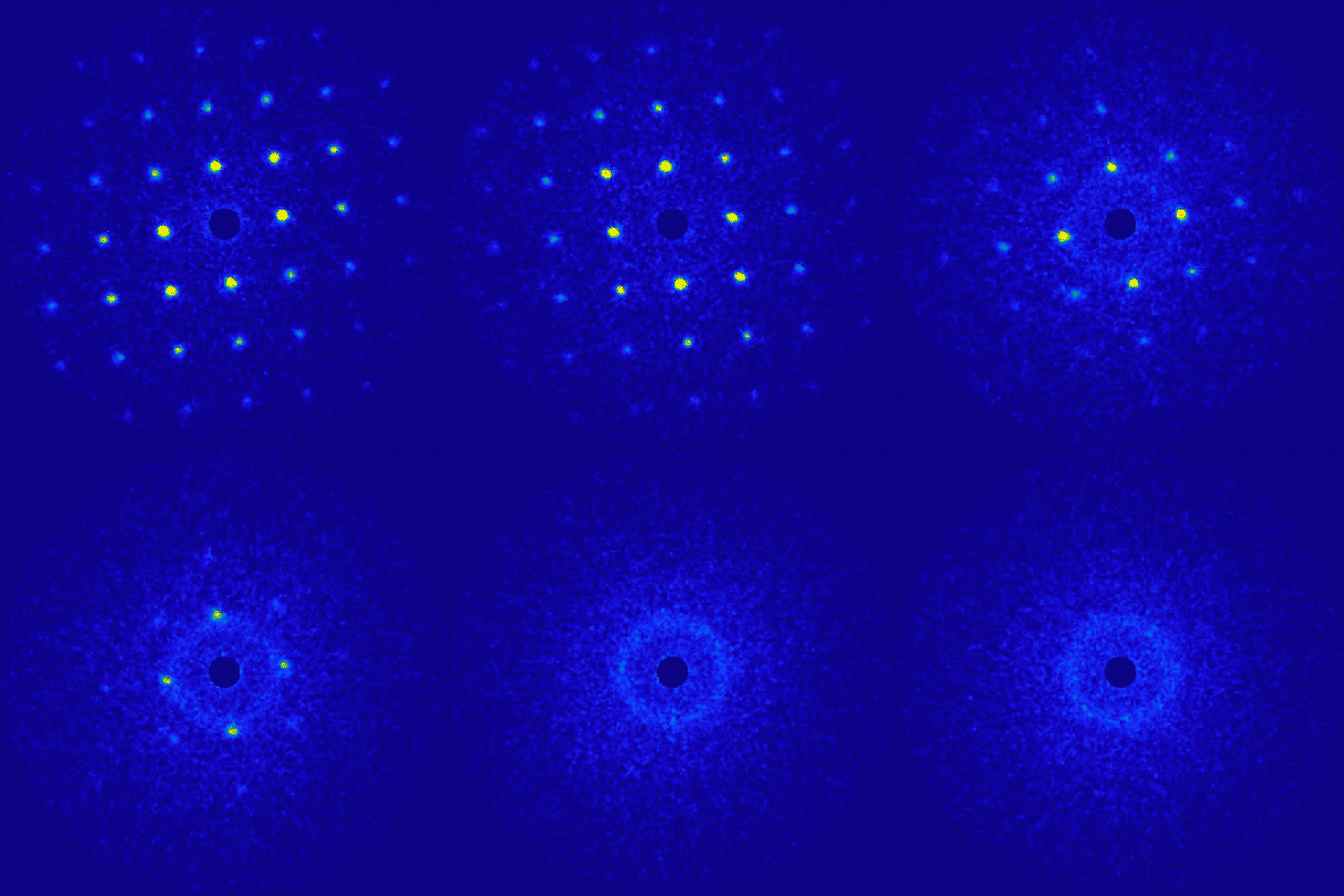
This movie shows the transition of a gold sample from a solid (dotted pattern) to a liquid (ring pattern) after...
UED Gold Melting
Animation

This animation shows the results of a recent study at SLAC, in which researchers used a powerful beam of electrons to watch gold melt...


UED Gold Melting
Feature

Tais Gorkhover, Michael Kagan, Kazuhiro Terao and Joshua Turner will each receive $2.5 million for research that studies fundamental particles, nanoscale objects, quantum materials...

Photos of SLAC's 2018 Early Career Award winners
Feature

The X-ray laser movie shows what happens when light hits retinal, a key part of vision in animals and photosynthesis in microbes. The action...

An image of San Francisco Bay salt ponds from space
Feature

The researchers observed how an enzyme from drug-resistant tuberculosis bacteria damages an antibiotic molecule. The new technique provides a powerful tool to examine changes...

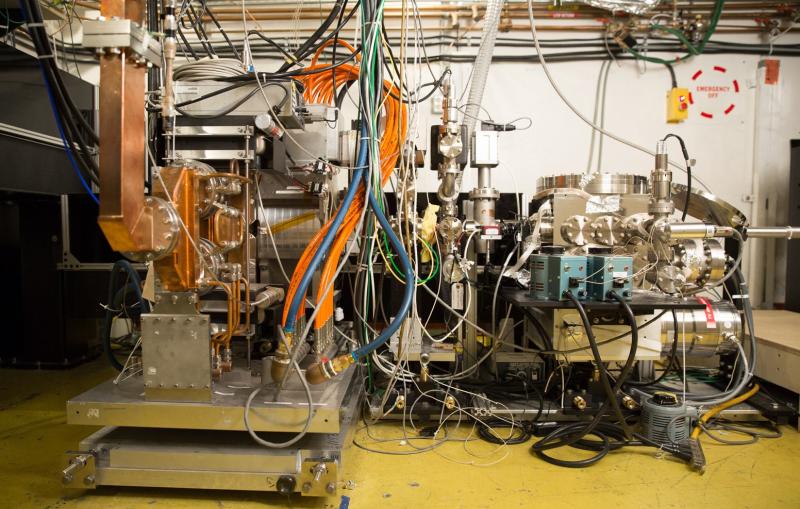
Photo - CXI instrument at LCLS
Feature

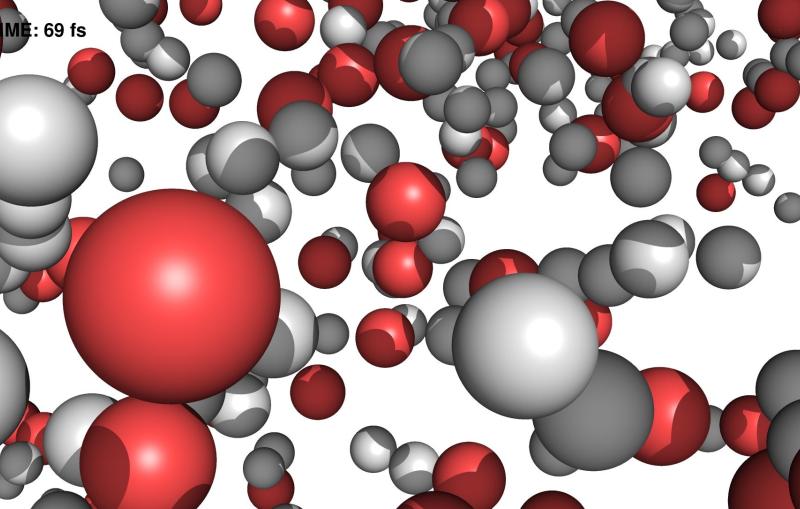
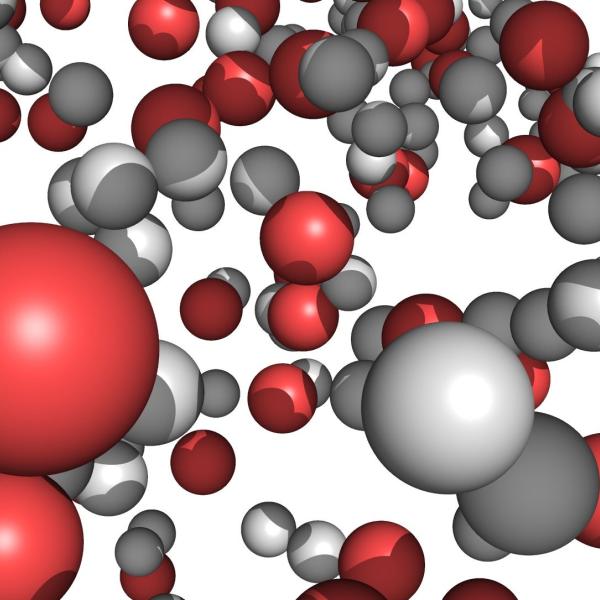
Experiments at SLAC heated water from room temperature to 100,000 degrees Celsius in less than a millionth of a millionth of a second, producing...

Illustration of water molecules hit by X-ray laser
Feature

A team including SLAC researchers has measured the intricate interactions between atomic nuclei and electrons that are key to understanding intriguing materials properties, such...

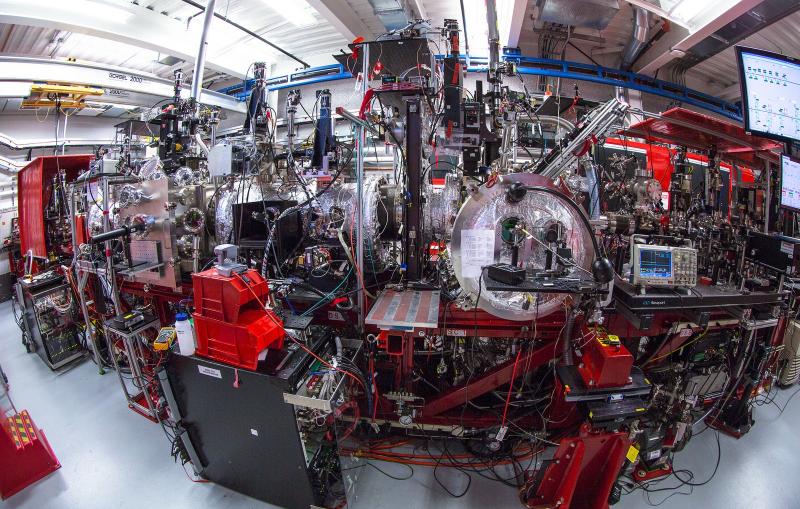
UED Setup
Feature

The new technology could allow next-generation instruments to explore the atomic world in ever more detail.

Beam from SRF gun
Feature

When it comes to making molecular movies, producing the world’s fastest X-ray pulses is only half the battle. A new technique reveals details about...

Illustration of the LCSL "attoclock"