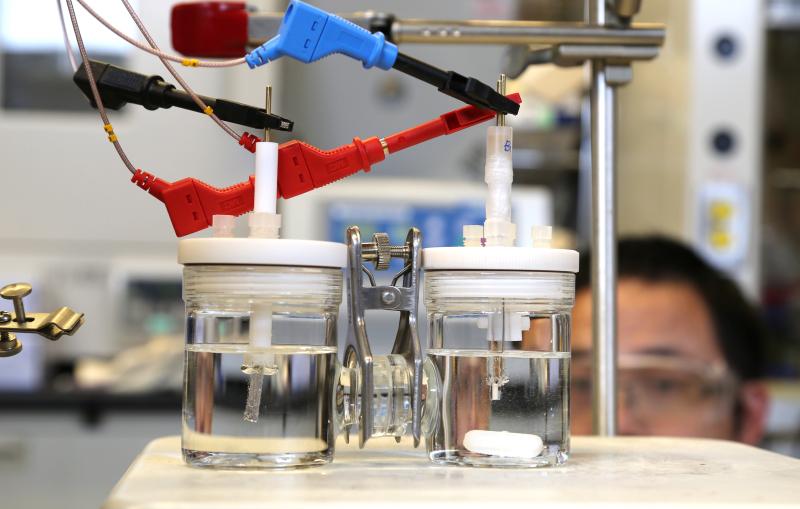
Catalysts are the unsung heroes of chemistry, accelerating reactions used to make fertilizers, fuels and consumer products. SUNCAT’s focus is on improving catalysts for making chemicals and fuels with renewable energy.
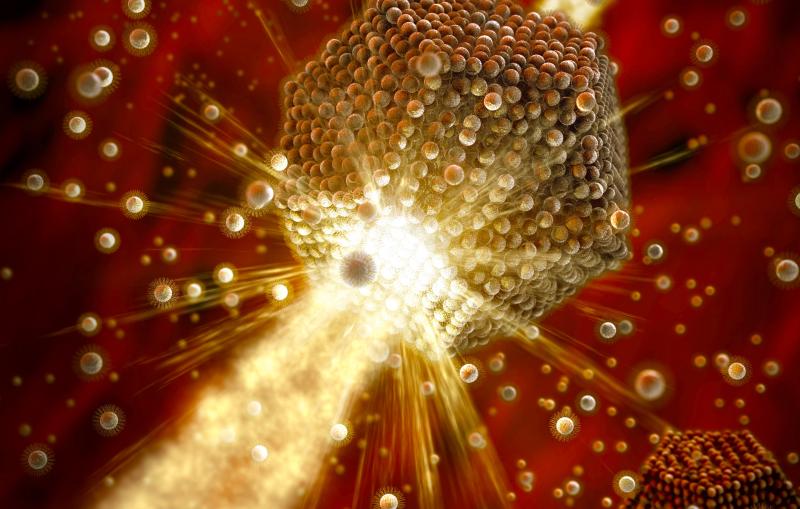
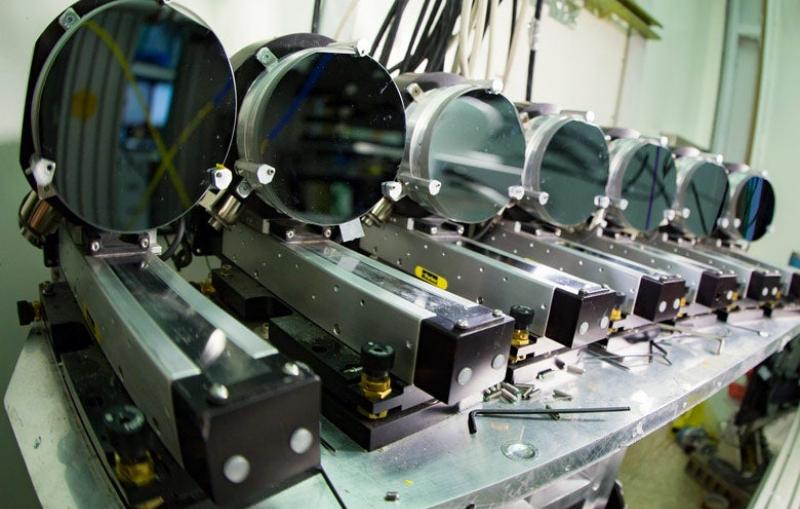
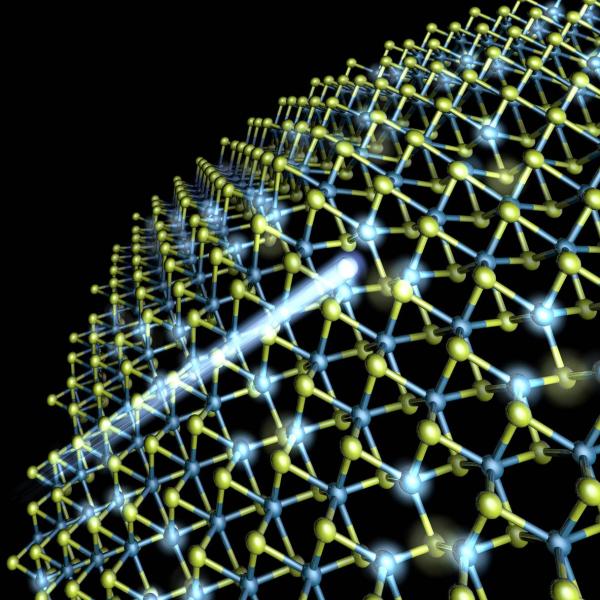
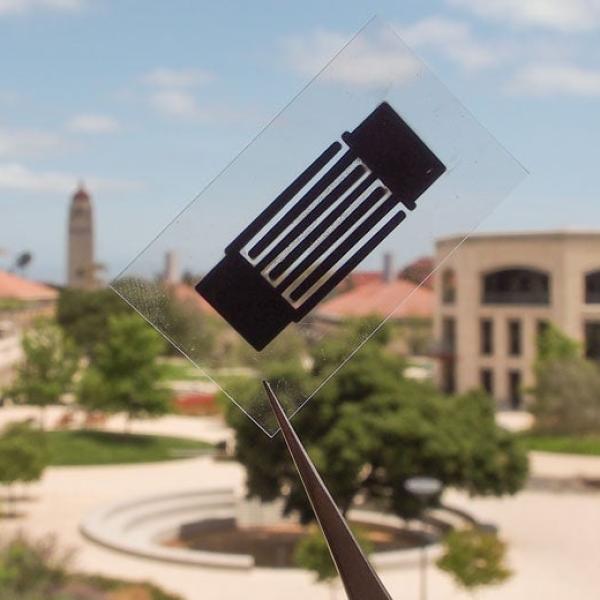
SLAC, Stanford scientists discover that bombarding and stretching a catalyst opens holes on its surface and makes it much more reactive. Potential applications include...
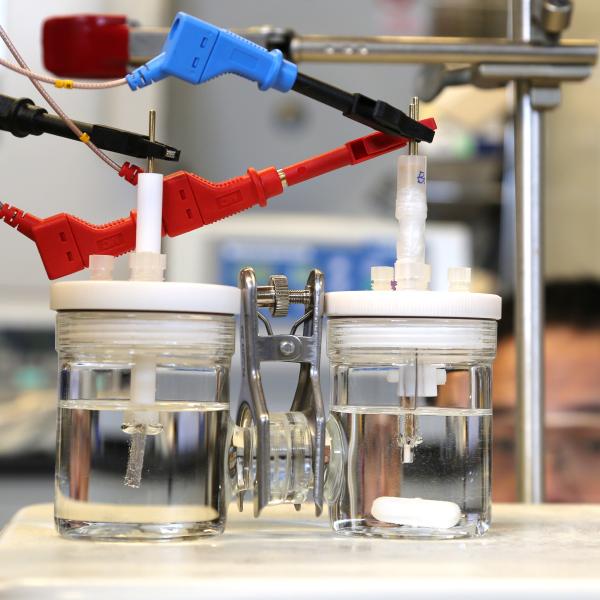
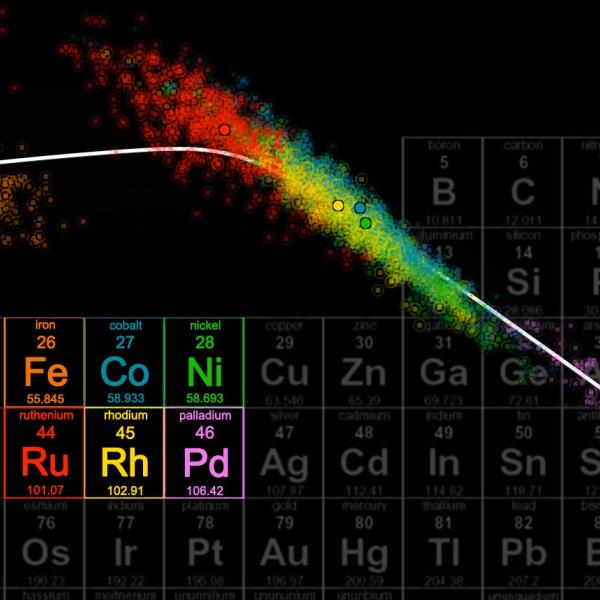
SUNCAT and SIMES researchers have received funding from Stanford's Global Climate and Energy Project to support research related to generating renewable fuels.
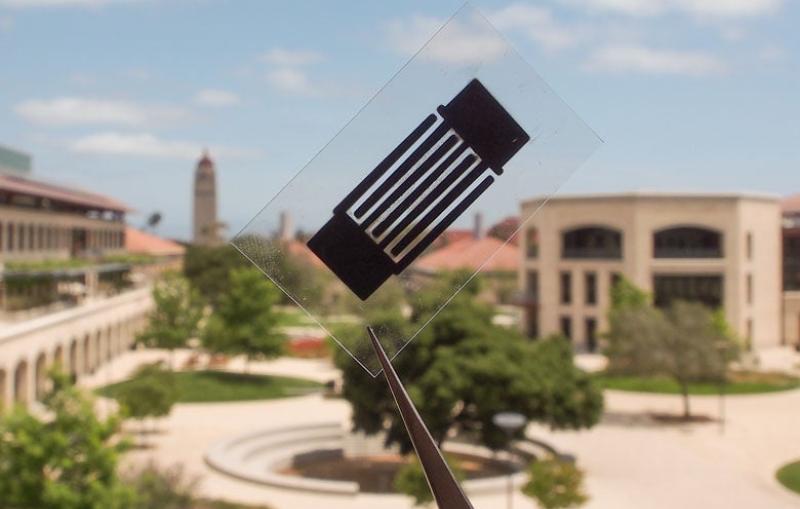
SLAC and the SUNCAT Center for Interface Science and Catalysis supported creation of a new carbon material that significantly improves the performance of batteries...
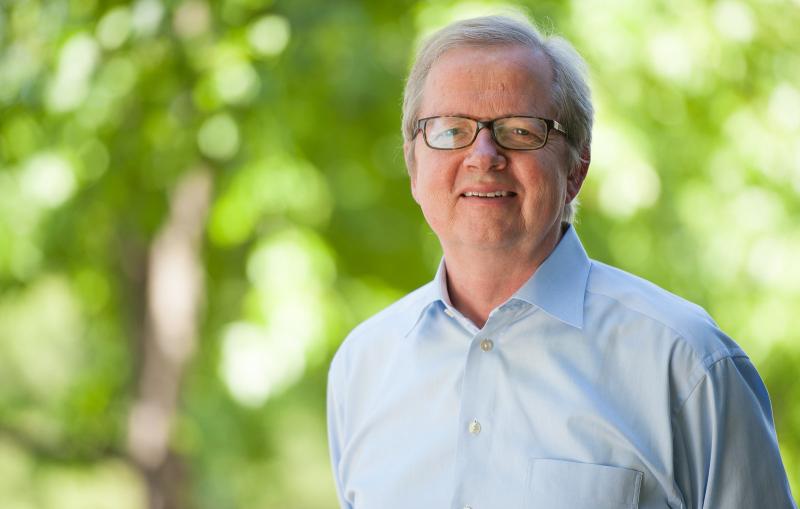
The SLAC and Stanford professor and SUNCAT director is being honored for groundbreaking work in catalysis, which promotes chemical reactions in thousands of industrial...
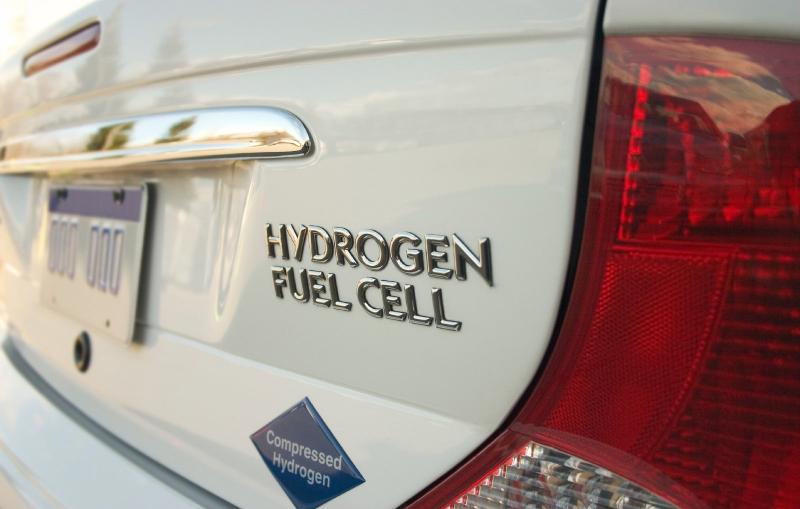
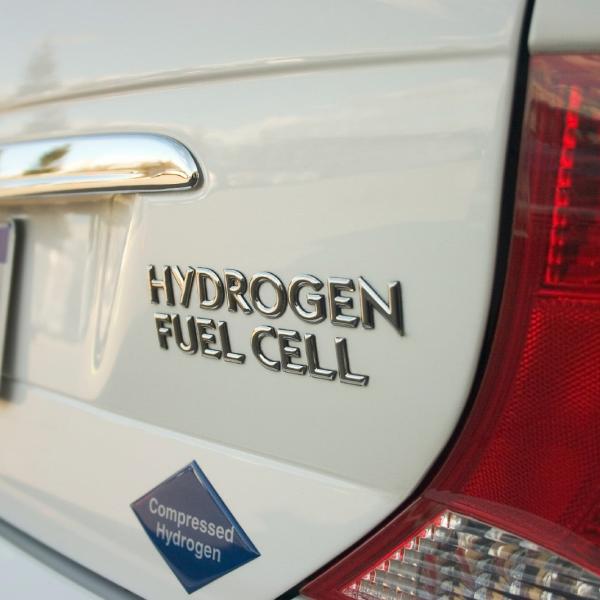
SLAC, Stanford scientists discover that bombarding and stretching a catalyst opens holes on its surface and makes it much more reactive. Potential applications include making hydrogen fuel.
SUNCAT and SIMES researchers have received funding from Stanford's Global Climate and Energy Project to support research related to generating renewable fuels.
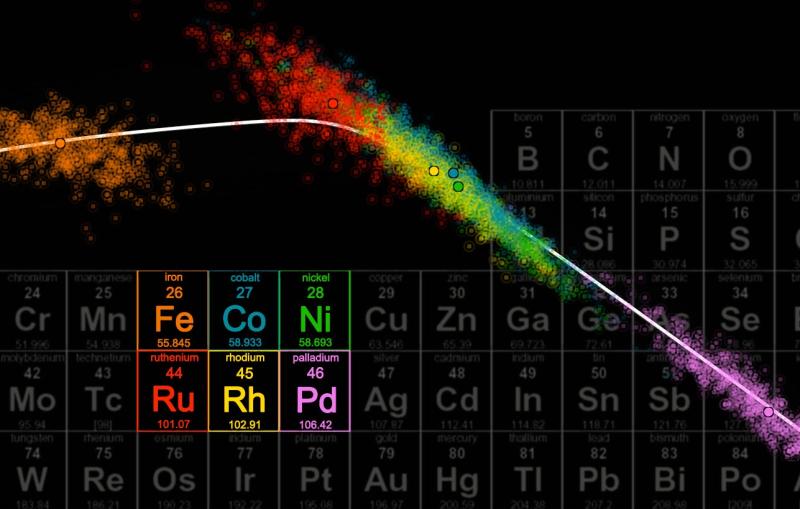
SLAC and the SUNCAT Center for Interface Science and Catalysis supported creation of a new carbon material that significantly improves the performance of batteries and supercapacitors.
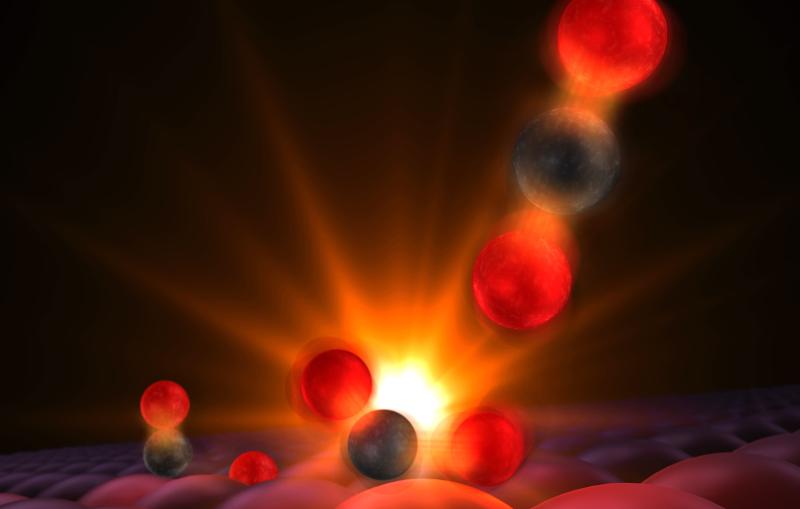
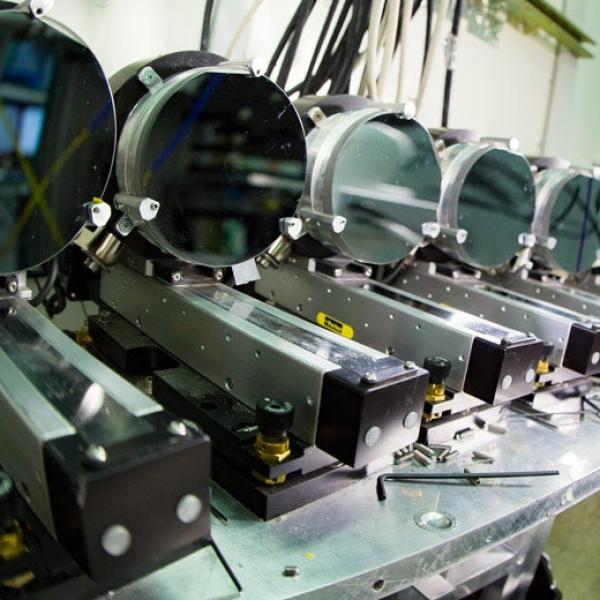
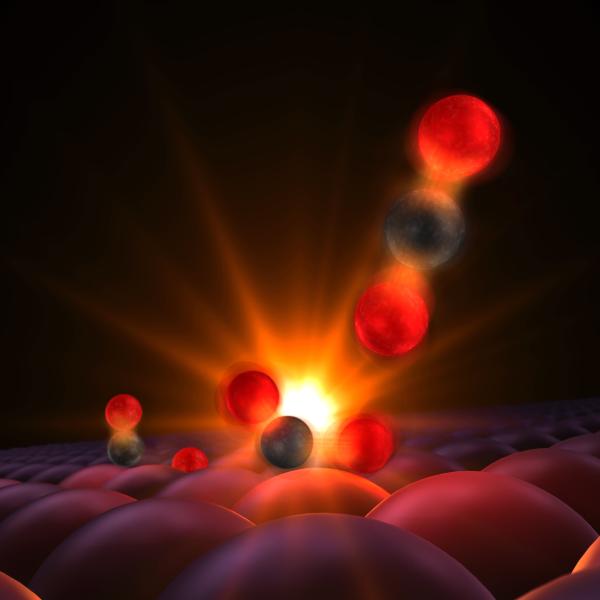
Scientists have used an X-ray laser at SLAC to get the first glimpse of the transition state where two atoms begin to form a weak bond on the way to becoming a molecule.
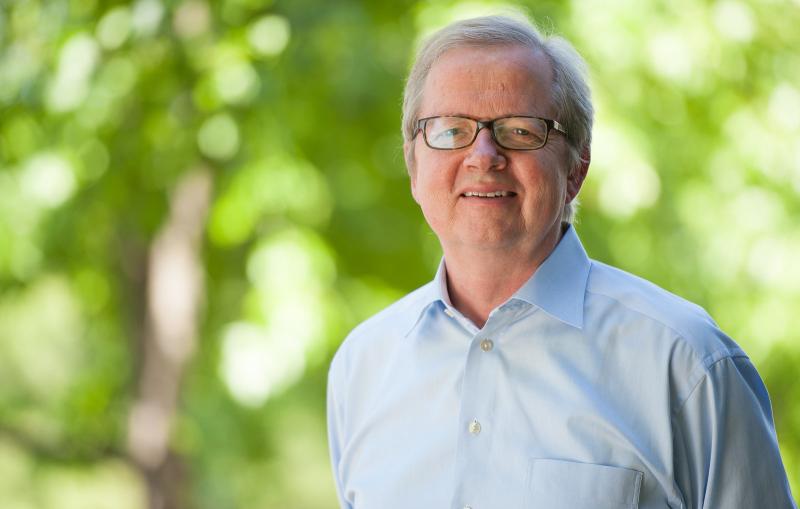
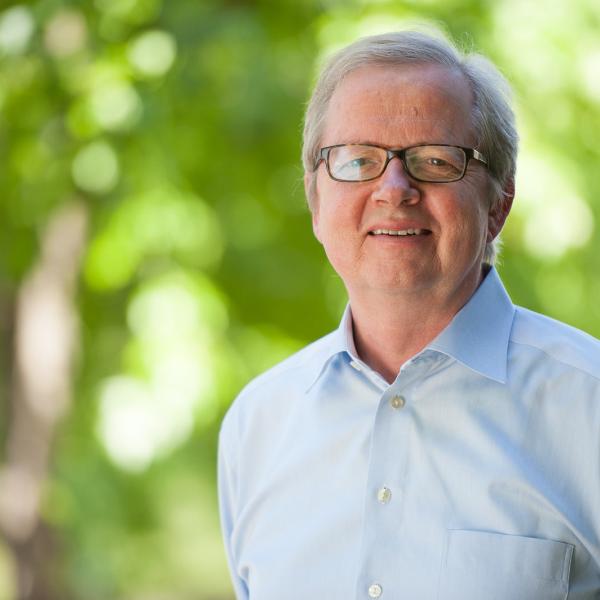
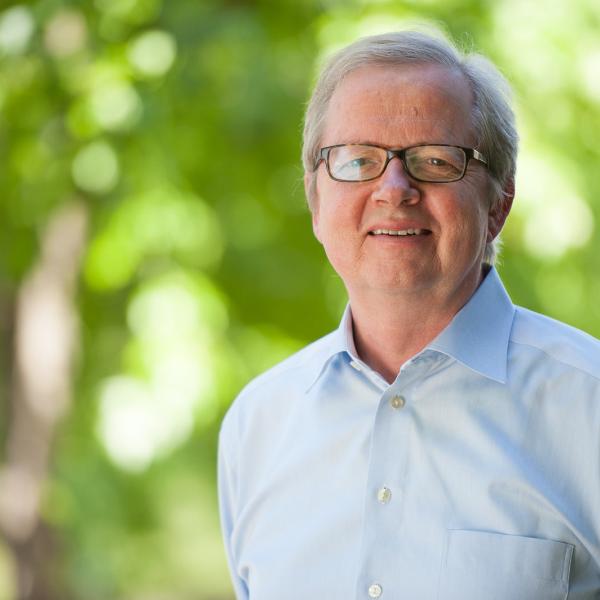
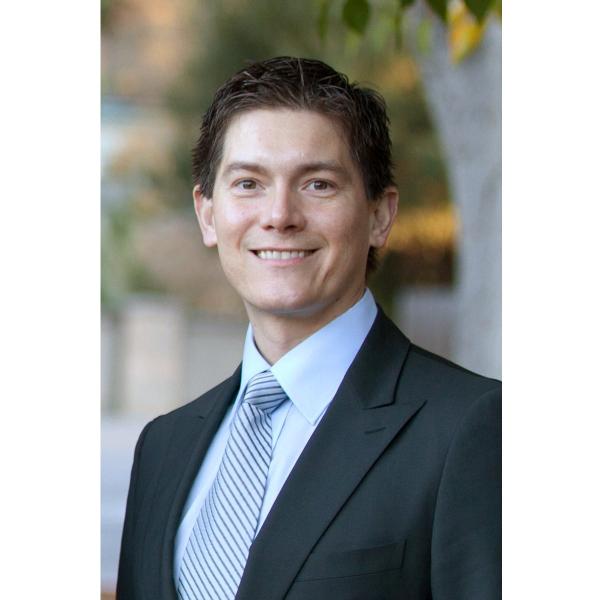
Jens Nørskov, director of the SUNCAT Center for Interface Science and Catalysis at Stanford and SLAC, has been named a member of the National Academy of Engineering, one of the highest professional distinctions for engineers.
The SLAC and Stanford professor and SUNCAT director is being honored for groundbreaking work in catalysis, which promotes chemical reactions in thousands of industrial processes.