

Kavli Institute for Particle Astrophysics & Cosmology (KIPAC)
KIPAC brings the power of theory, computation, experiments and observations to bear on astrophysical questions, from the origins of cosmic rays to the structure and evolution of the universe.
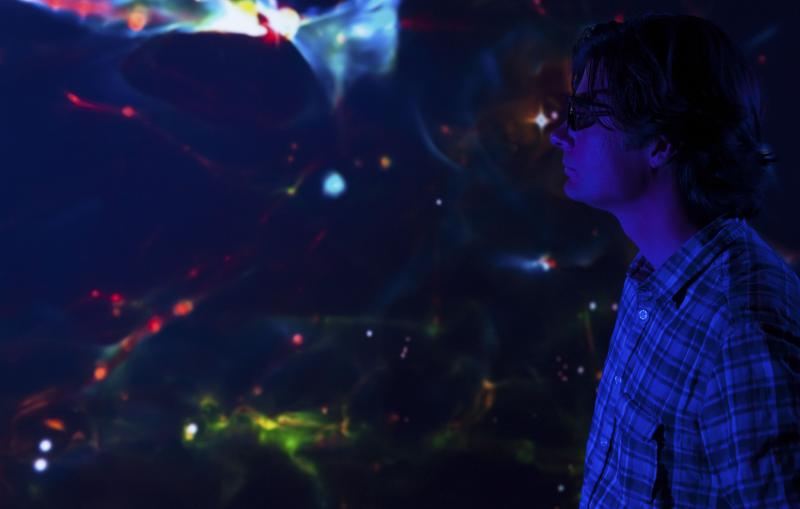
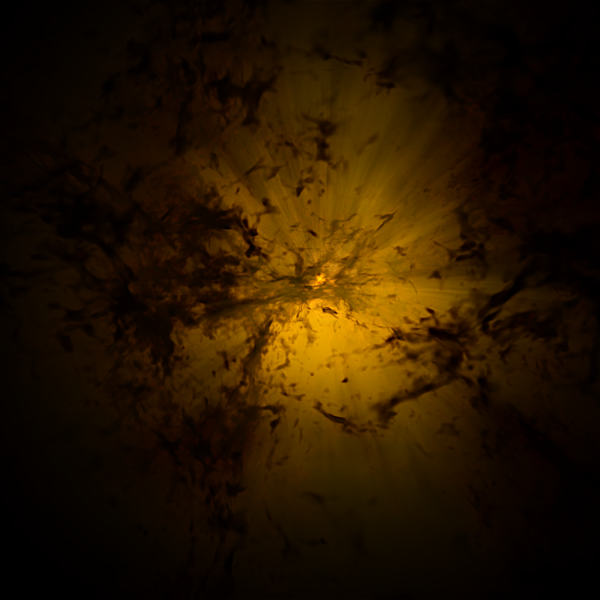
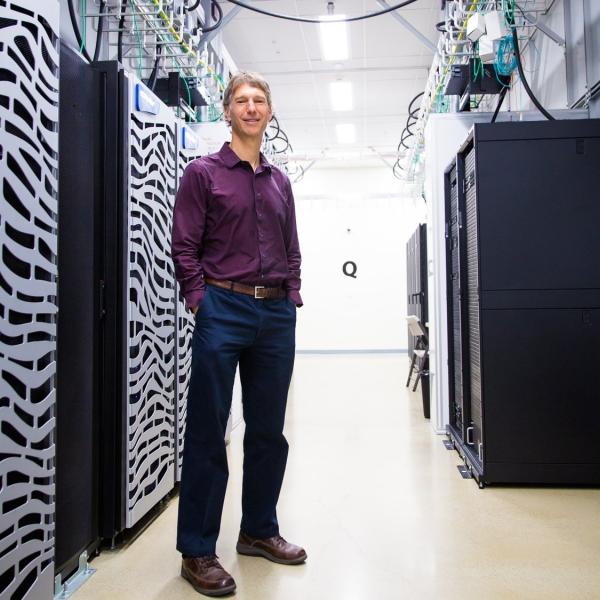
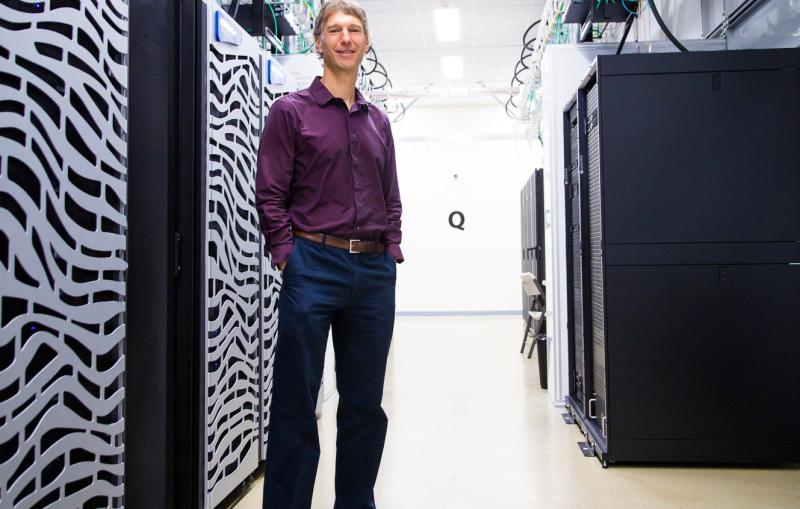
Kavli Institute for Partical Astrophysics and Cosmology (KIPAC) scientist Ralf Kaehler, at work here in the "Vizlab," and colleagues use computer visualizations to simulate and study the formation and evolution of the Universe.
(Matt Beardsley/SLAC National Accelerator Laboratory)
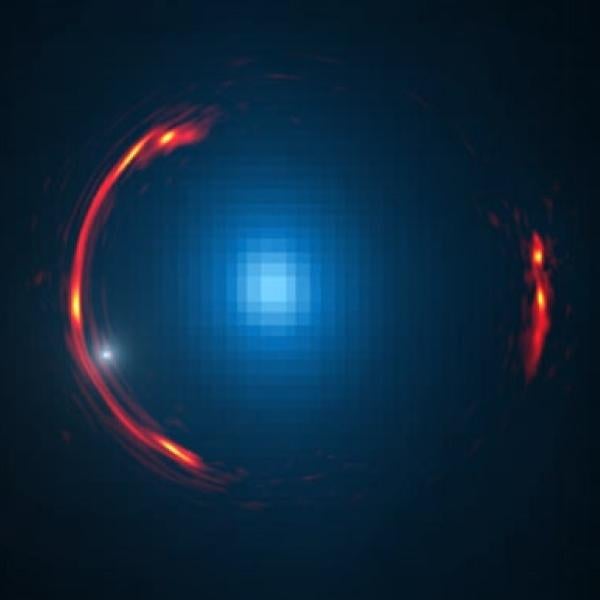
The discovery supports a powerful tool for discovering galaxies that are otherwise too distant to observe, and could lead to advances that improve our...
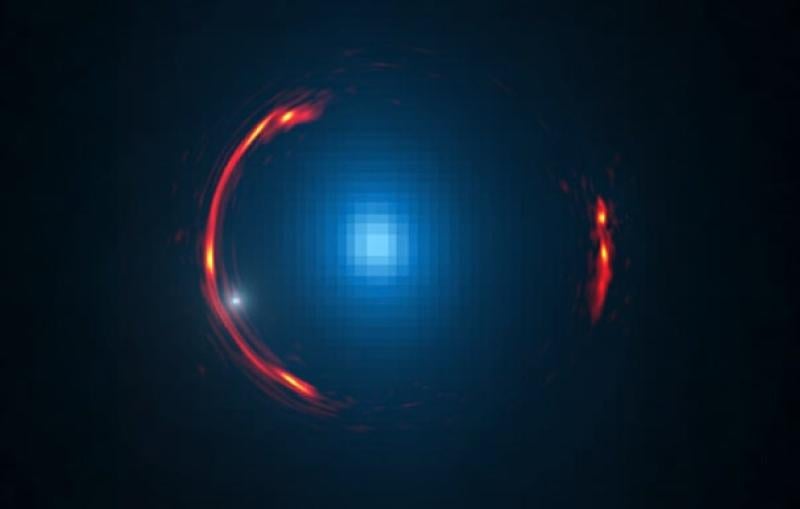
The discovery supports a powerful tool for discovering galaxies that are otherwise too distant to observe, and could lead to advances that improve our understanding of dark matter.
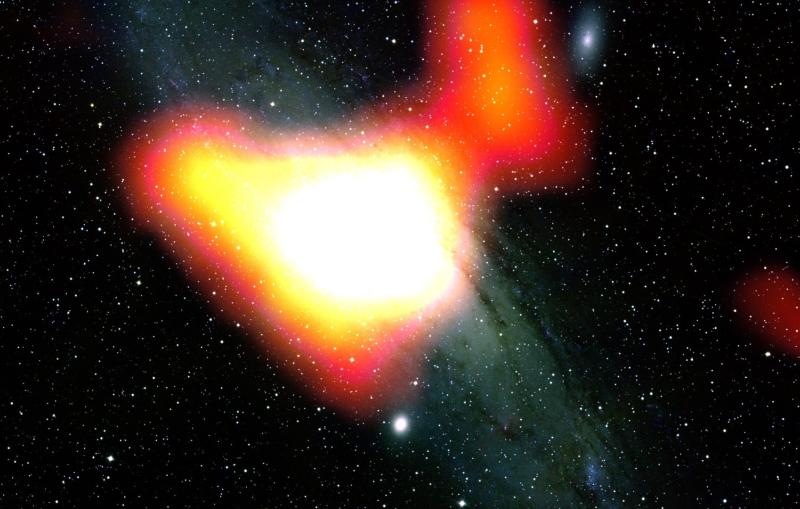
It will provide new insights into the physics of black holes, the formation of chemical elements, stars and galaxies, and the evolution of the universe itself.