




SLAC topics

Ultrafast science RSS feed

SLAC is the world’s leading center for developing “ultrafast” X-ray, laser and electron beams that allow us to see atoms and molecules moving in just millionths of a billionth of a second. We can even create stop-action movies of these tiny events.

Related Links:
DOE explains...Ultrafast science
Browse tagged content

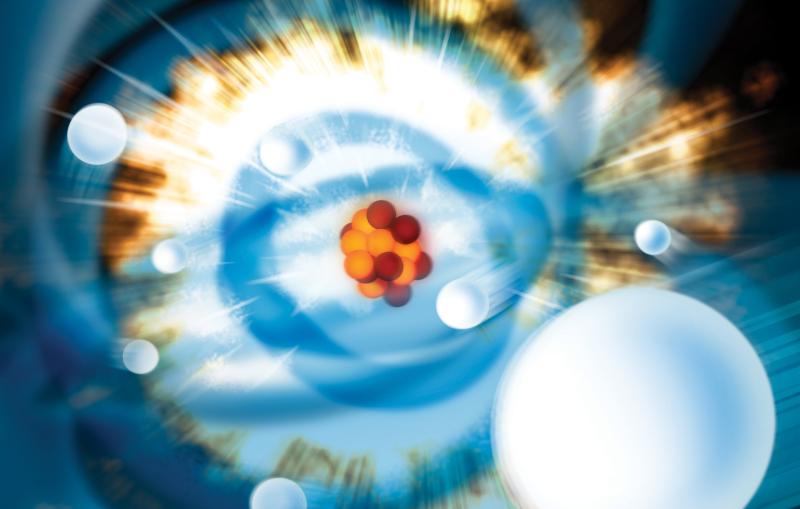
This illustration shows how the first experiment at SLAC's Linac Coherent Light Source X-ray laser stripped away electrons from neon atoms. (SLAC National Accelerator Laboratory)
Feature

Researchers at SLAC are already looking at the largely unexplored realm of attosecond science.

Feature

Aaron Lindenberg, associate professor at Stanford and SLAC, talks about how he combines X-ray and electron techniques to understand and engineer novel materials.

Feature

Read about how SLAC professor Siegfried Glenzer creates extreme conditions like those in the cores of planets and studies nuclear fusion.

Feature

Take a digital tour of the undulators and near experimental hall at the Linac Coherent Light Source.

Feature

PULSE scientist Amy Cordones-Hahn describes her work on chemical reactions that turn sunlight into useable energy.

Feature

Explore the fourth dimension, from processes that occur in billions of years down to tiny slivers of a second.

Feature

Learn about X-ray detectors from Gabriella Cabrini, scientist at the Linac Coherent Light Source.

Feature

Physicist Phil Bucksbaum gives a brief introduction to Femtosecond Week at SLAC.

Feature

SLAC celebrates five days of ultrafast science.

News Release

Join us for five days of ultrafast science from April 17 to 21.

Feature

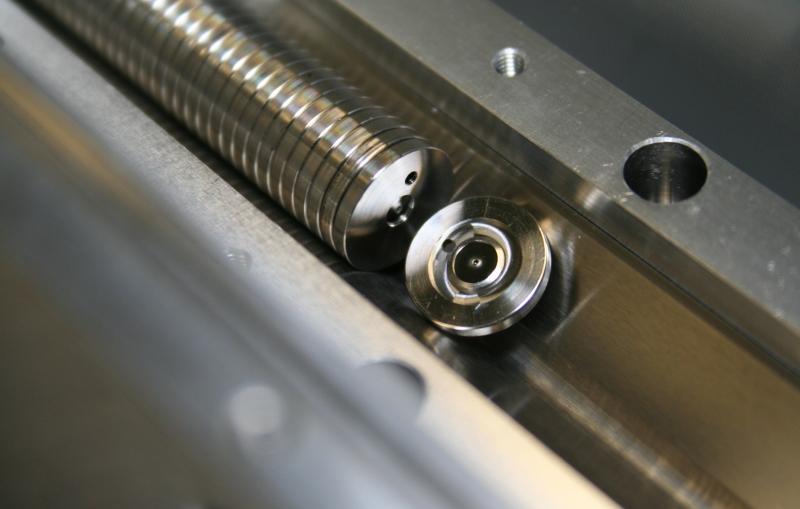
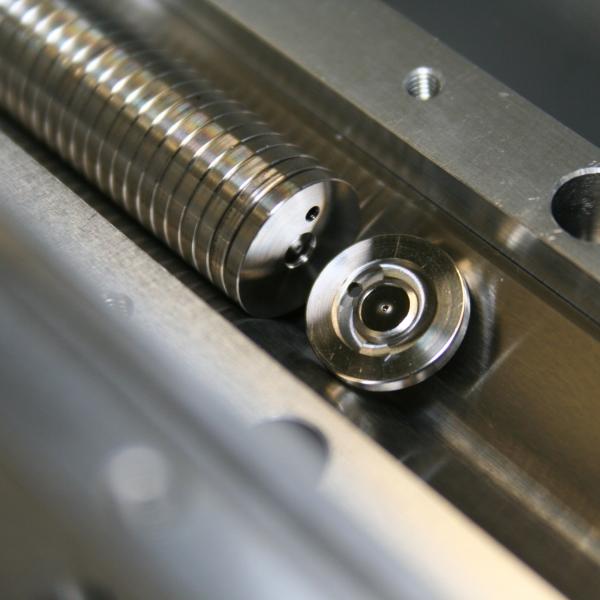
A new paper describes a way to fabricate glasses that can correct X-ray focusing problems at synchrotrons and X-ray lasers.

Feature

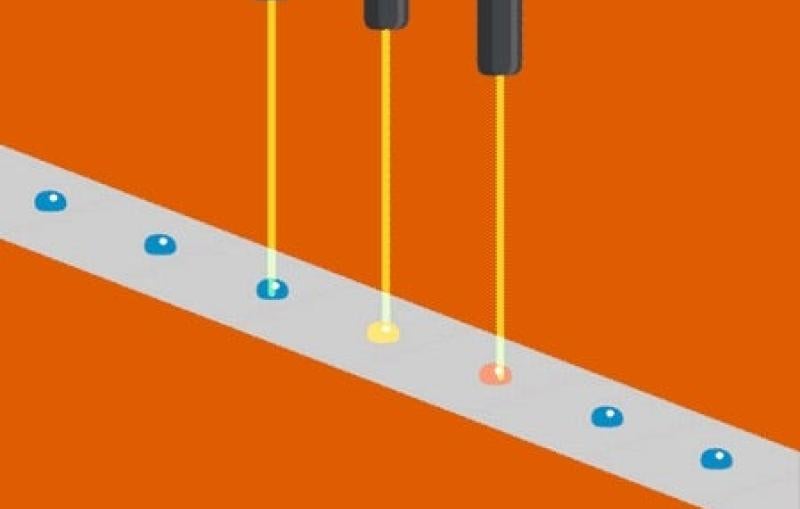
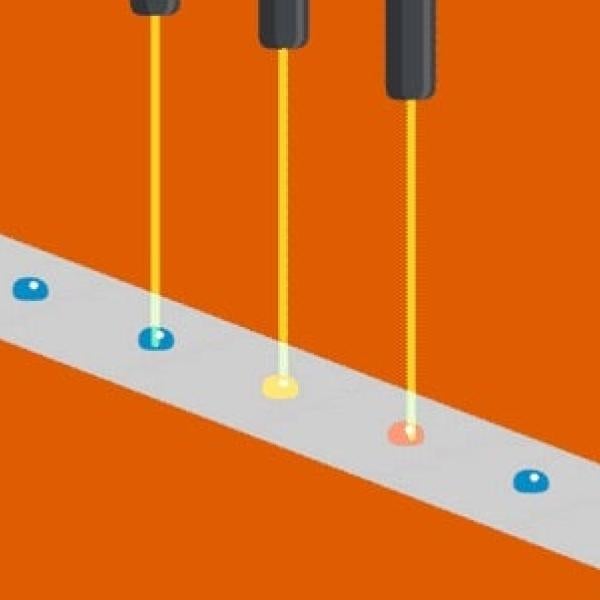
A research collaboration designed a new assembly-line system that rapidly replaces exposed samples and allows the team to study reactions in real-time.