
SLAC topics

Stanford PULSE Institute RSS feed

Researchers at the Stanford PULSE Institute watch ultrafast particle motions and chemical reactions to get a deeper understanding of matter in all its forms. Soon we’ll be able to watch even speedier electron movements that underlie all of chemistry, technology and life.

Visit PULSE website

Browse tagged content

XLEAP illustration
Feature

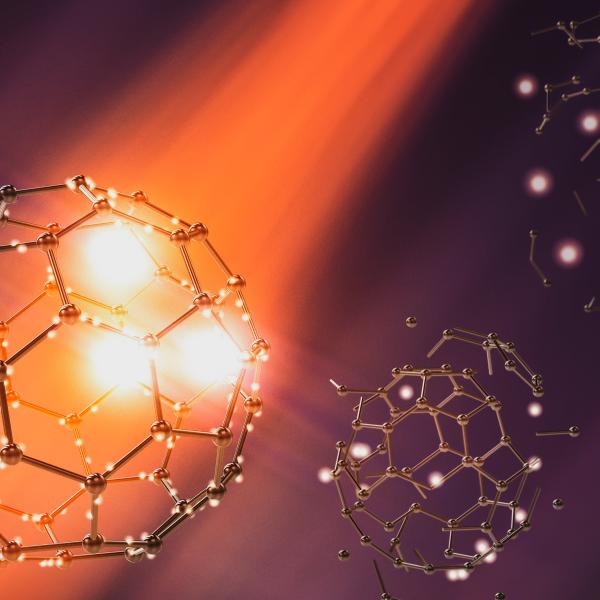
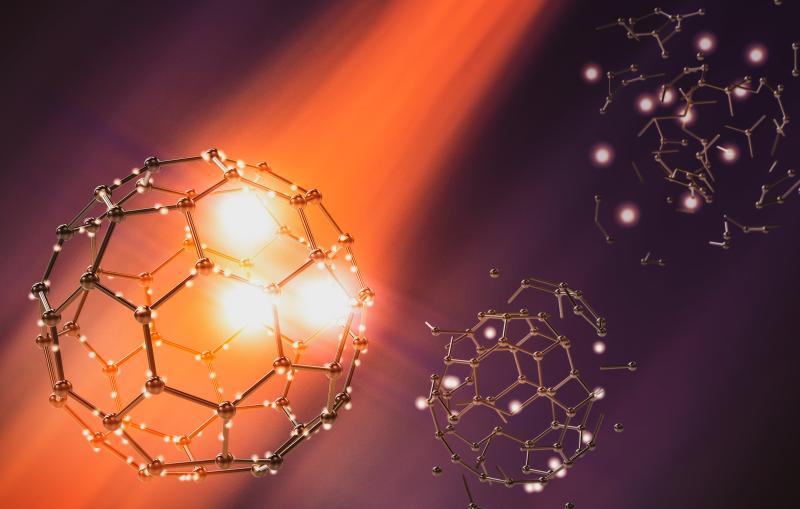
A new study shows how soccer ball-shaped molecules burst more slowly than expected when blasted with an X-ray laser beam.

Buckyballs
Feature

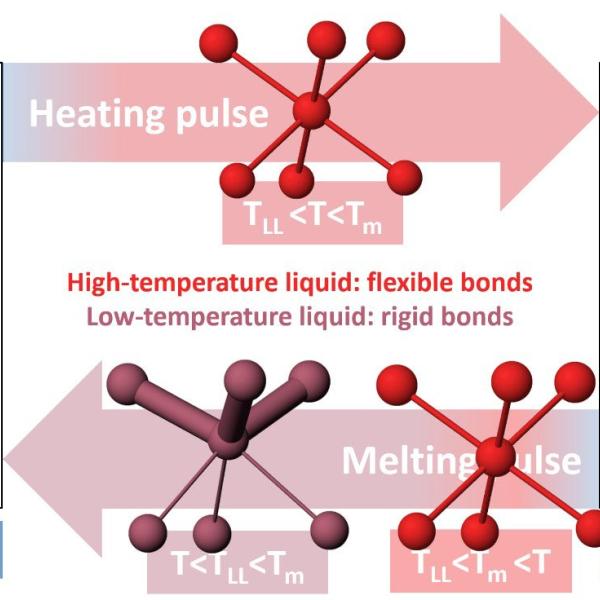
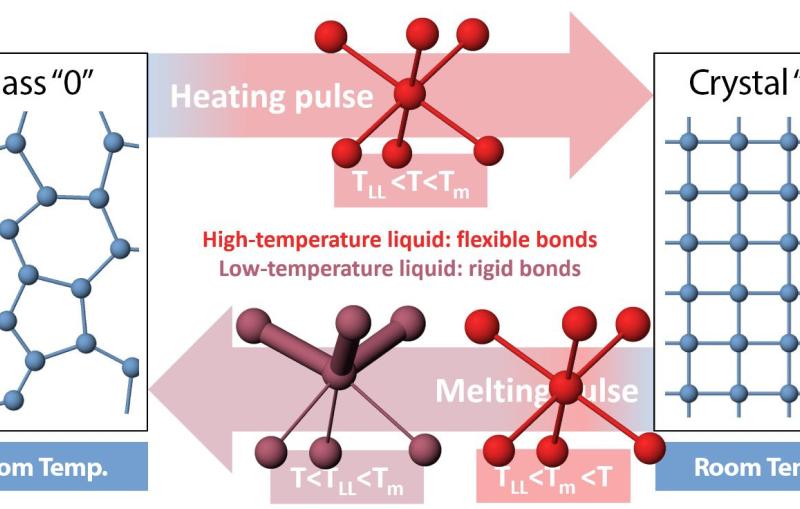
Experiments at SLAC’s X-ray laser reveal in atomic detail how two distinct liquid phases in these materials enable fast switching between glassy and crystalline...

Diagram of material switching between glassy and crystalline states
News Release

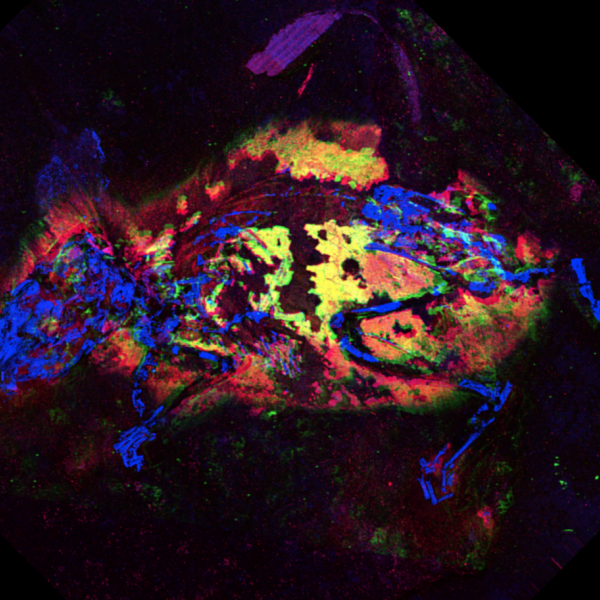
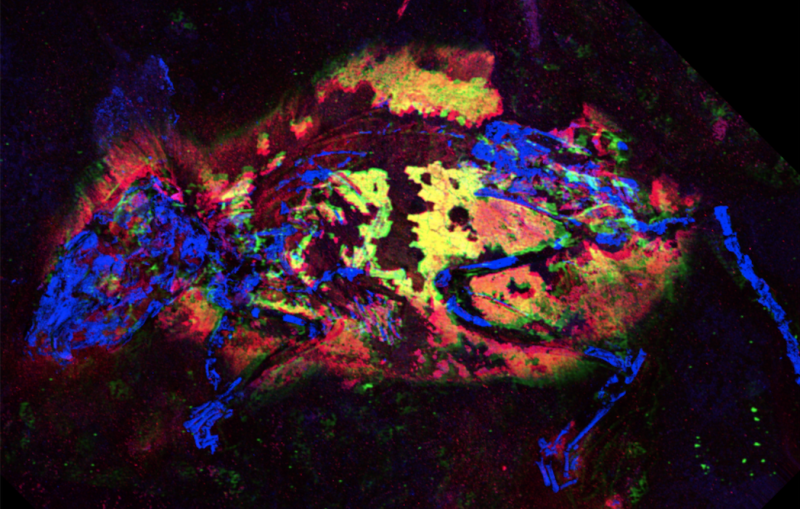
X-rays reveal an extinct mouse was dressed in brown to reddish fur on its back and sides and had a tiny white tummy.

mighty mouse false color
Feature

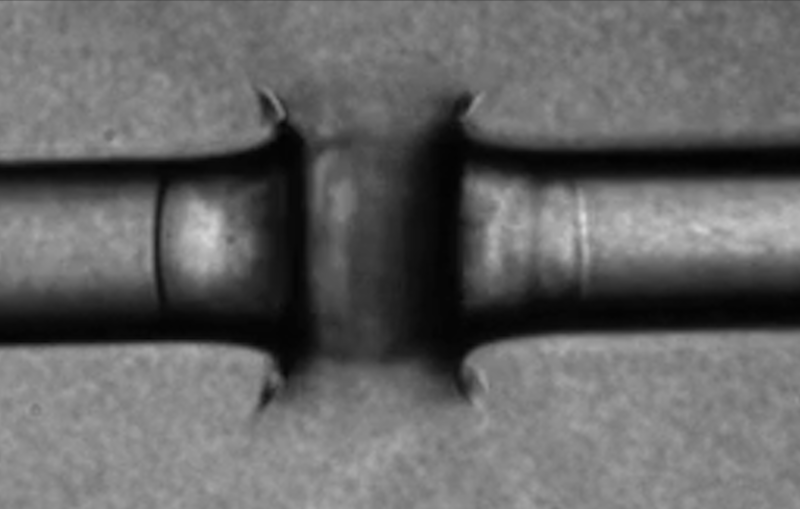
Researchers produced an underwater sound with an intensity that eclipses that of a rocket launch while investigating what happens when they blast tiny jets...

Underwater sound
Feature

Both are professors at Stanford and SLAC, where Martinez is an investigator with the Stanford PULSE Institute.

Stanford and SLAC professors Todd Martinez, left, and William Weis
News Release

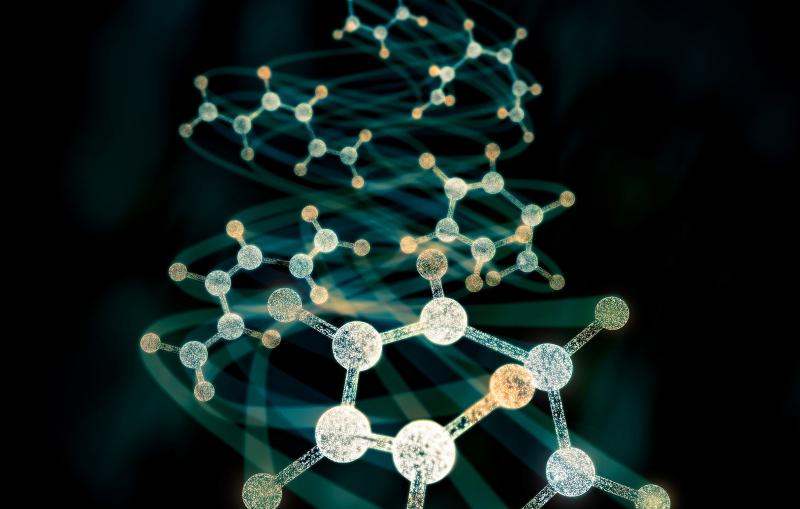
First direct look at how atoms move when a ring-shaped molecule breaks apart could boost our understanding of fundamental processes of life.

Molecular Movie in HD Art
Illustration

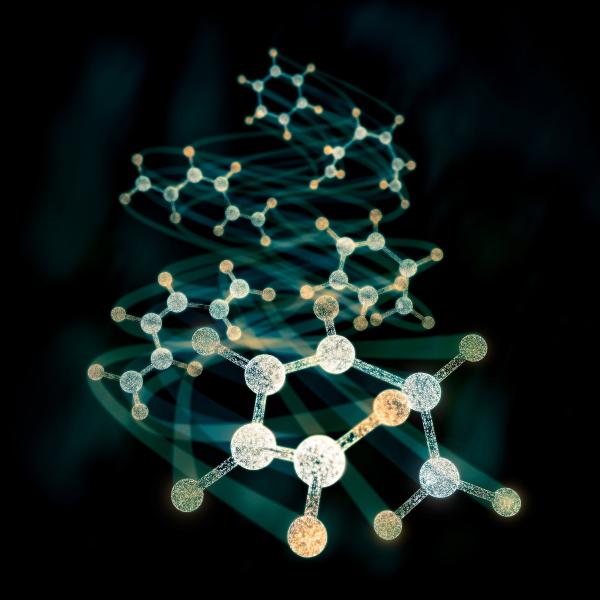
This illustration shows snapshots of the light-triggered transition of the ring-shaped 1,3-cyclohexadiene (CHD) molecule (background) to its stretched-out 1,3,5-hexatriene (HT) form (foreground). 
Molecular Movie in HD Art
Feature

He helped lay the groundwork for SLAC’s LCLS X-ray laser and for the institute, which was founded to explore the science LCLS would enable.

David Reis headshot
Feature

SLAC researchers say their new method could make it easier to study interactions of ultrabright X-rays with matter

Ghost imaging illustration
Feature

X-ray laser snapshots give scientists a new tool for probing trillionths-of-a-second atomic motions in 2-D materials

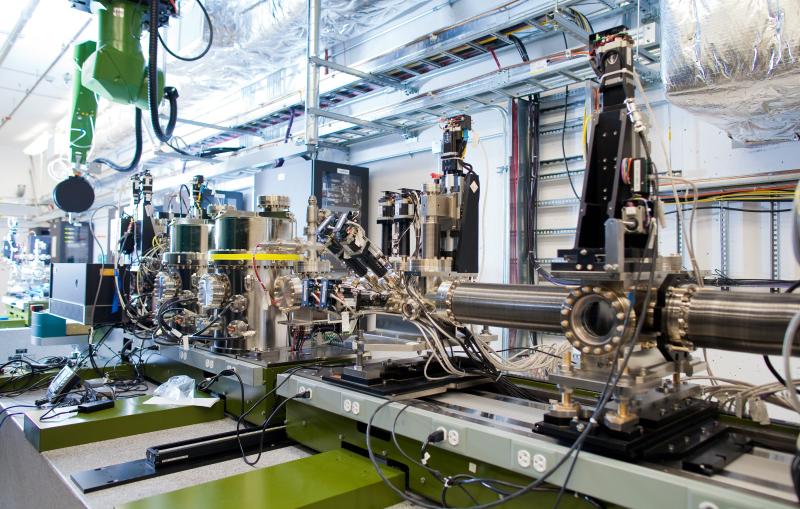
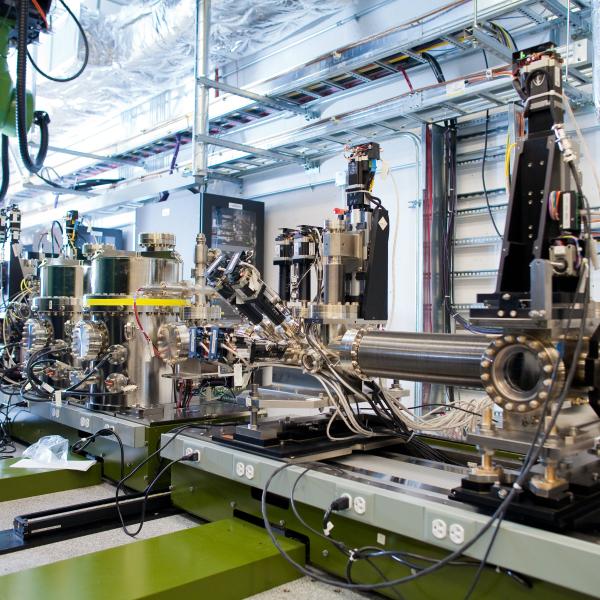
Experimental station at SLAC's LCLS X-ray laser where the study was done
Feature

Ultrafast manipulation of material properties with light could stimulate the development of novel electronics, including quantum computers.

Topological Switch Lead Art
Feature

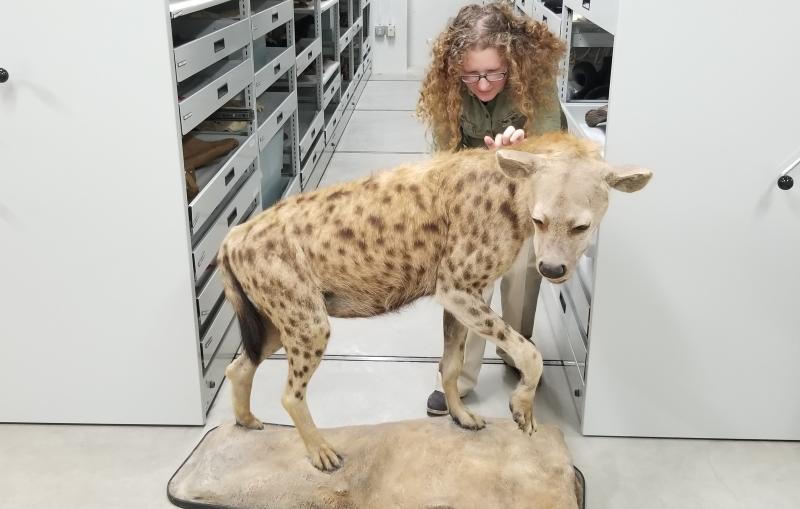
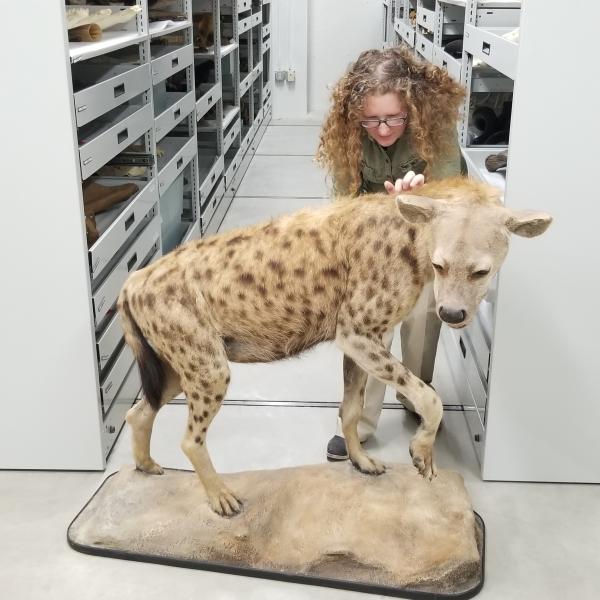
Researchers mapped trace elements within Pleistocene fossils to learn about the life of a long-extinct subspecies of spotted hyena.

Spotted hyena