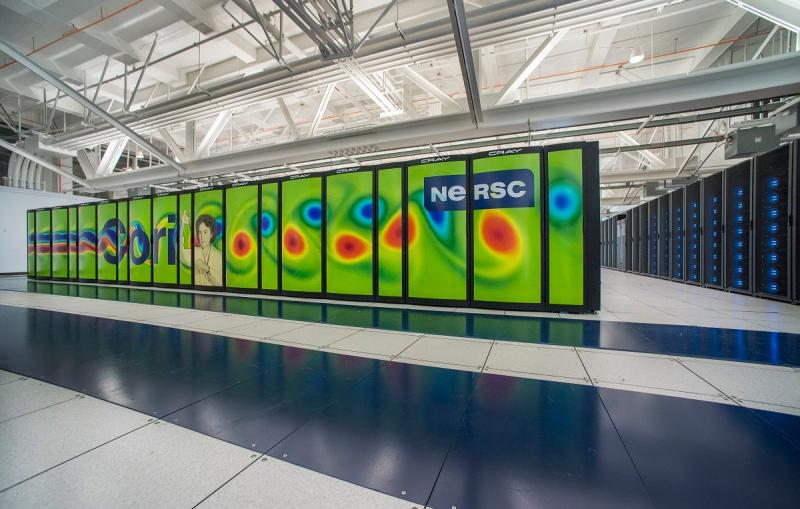
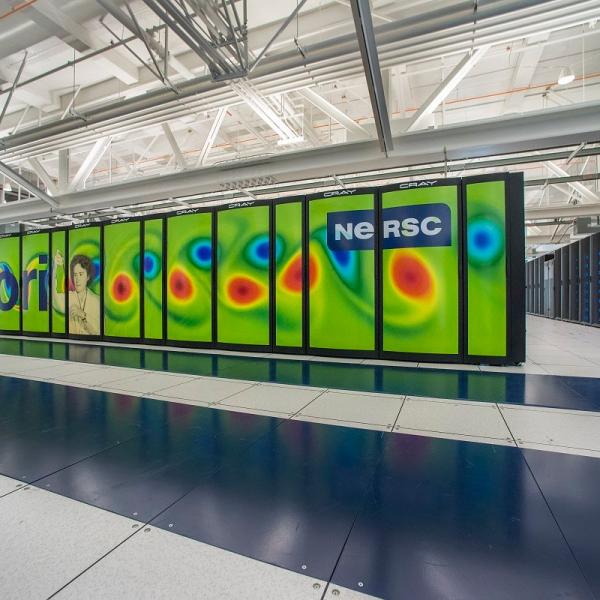
Two recently funded computing projects work toward developing cutting-edge scientific applications for future exascale supercomputers that can perform at least a billion billion computing...
Two recently funded computing projects work toward developing cutting-edge scientific applications for future exascale supercomputers that can perform at least a billion billion computing operations per second.
The prize, shared with Sekazi Mtingwa and Anton Piwinski, honors theoretical work that helped sharpen the focus of beams at a wide variety of particle accelerators.
Just as Schroedinger's Cat is both alive and dead, an atom or molecule can be in two different states at once. Now scientists have exploited this behavior to make X-ray movies of atomic motion with much more detail than ever...
A team led by chemists at Stanford University and SLAC has unraveled a longstanding mystery that brings them one step closer to a cleaner, more energy-efficient way to make methanol, an important industrial chemical used in products such as paints...