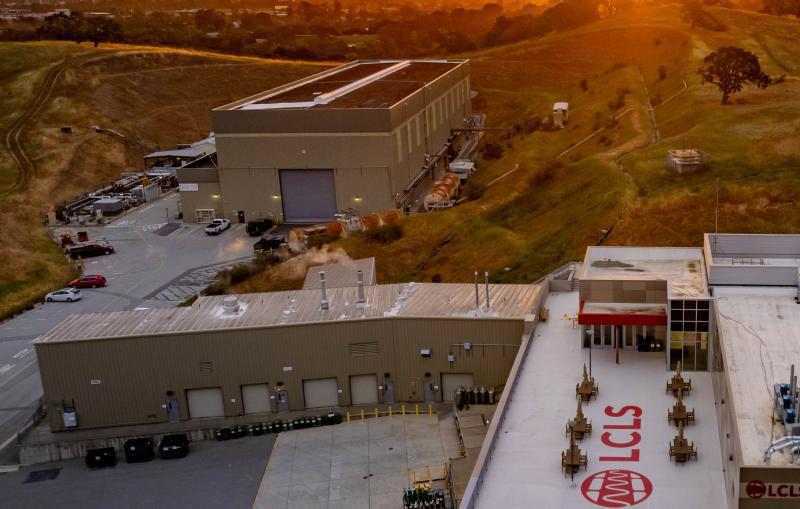
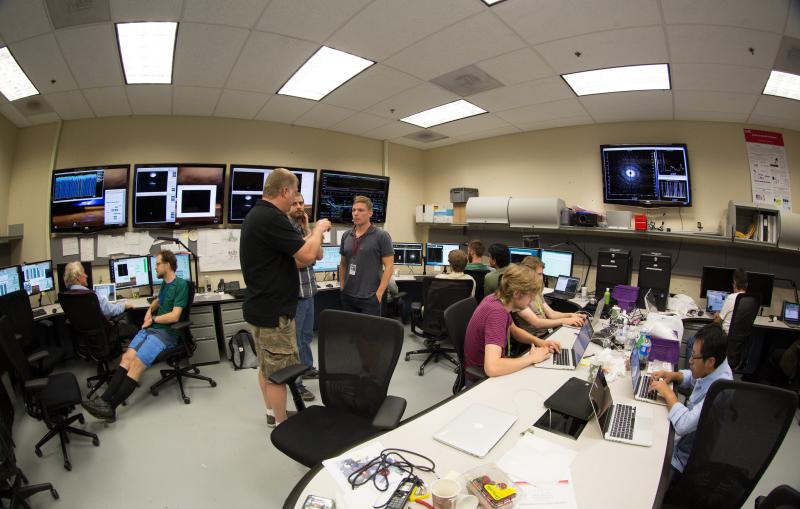
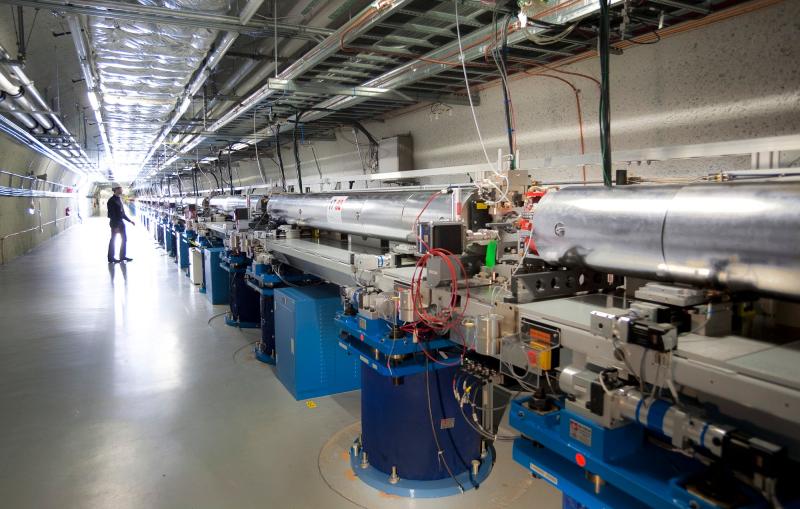
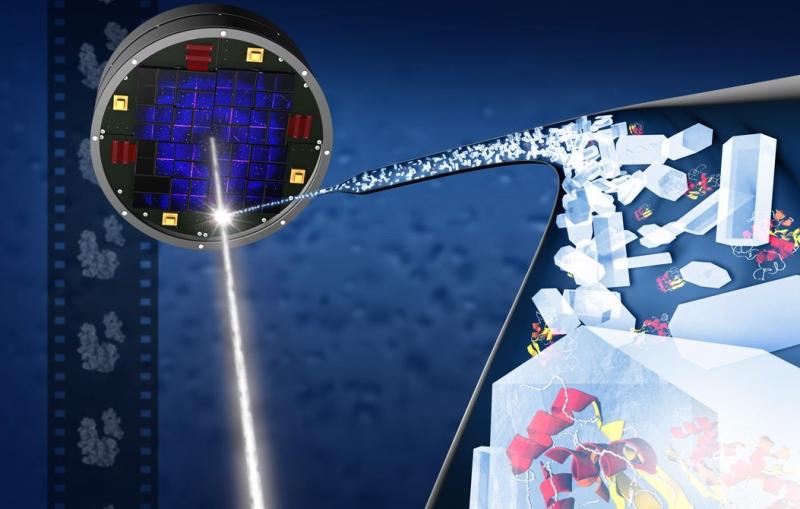
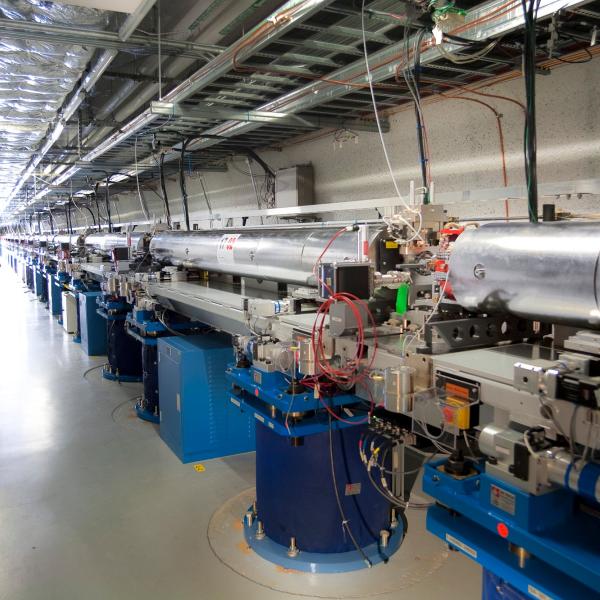
The Linac Coherent Light Source at SLAC, the world’s first hard X-ray free-electron laser, takes X-ray snapshots of atoms and molecules at work, revealing fundamental processes in materials, technology and living things.
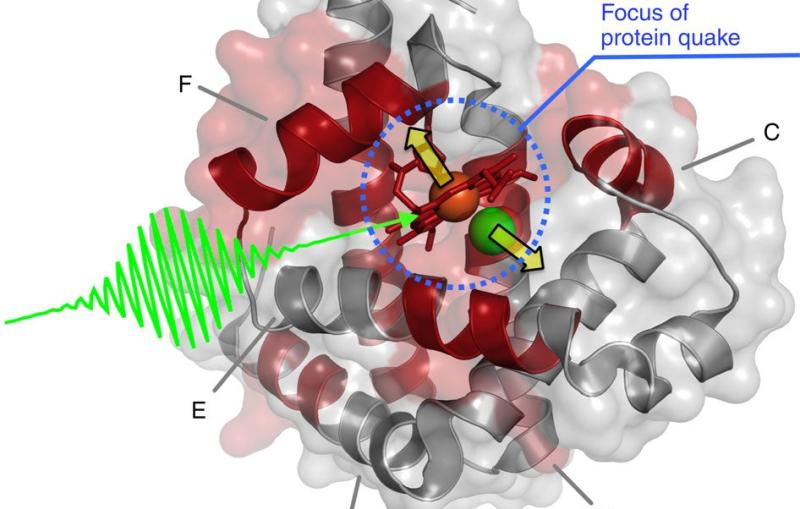
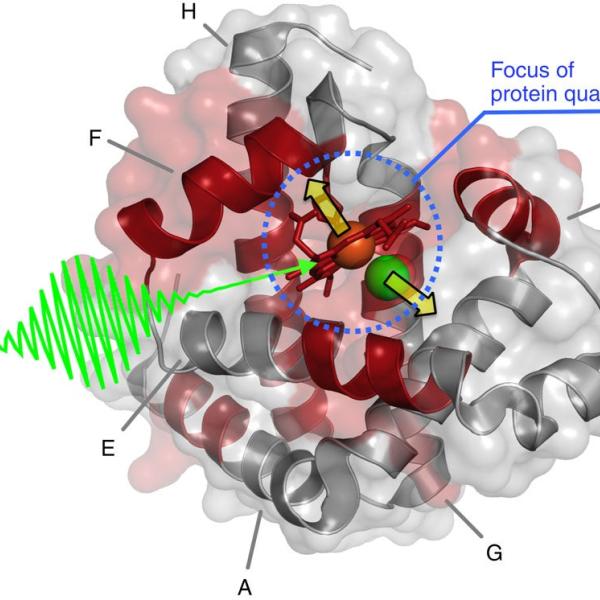
Using SLAC's X-ray laser, researchers have for the first time directly observed myoglobin move within quadrillionths of a second after a bond breaks and...
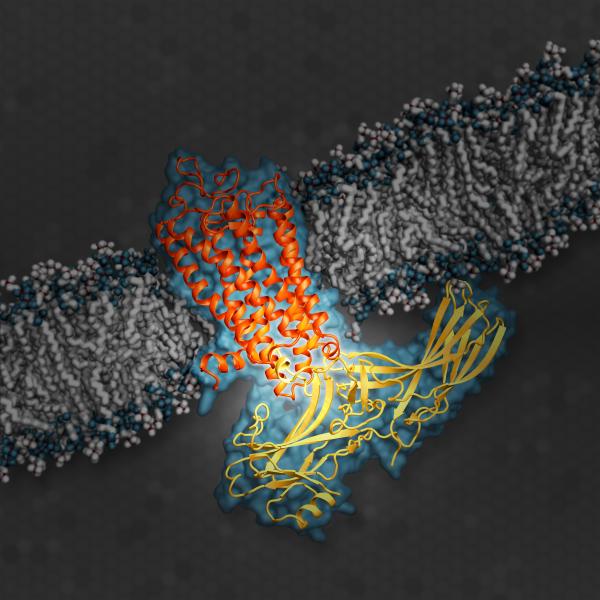
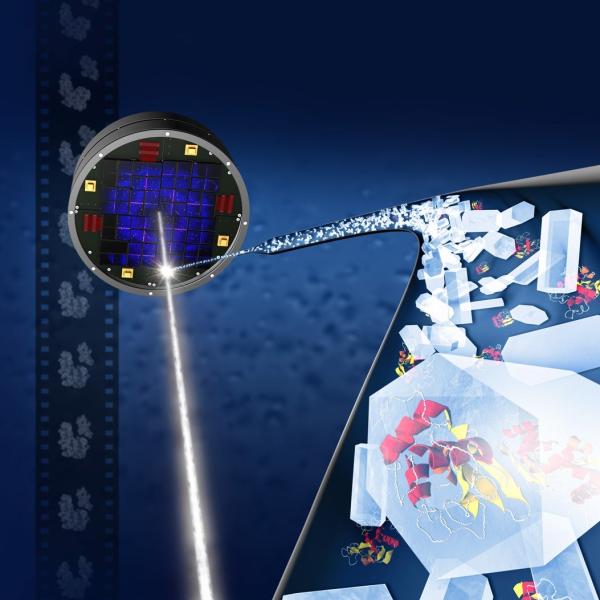
A major international effort at SLAC is focused on improving our views of intact viruses, living bacteria and other tiny samples using the brightest...
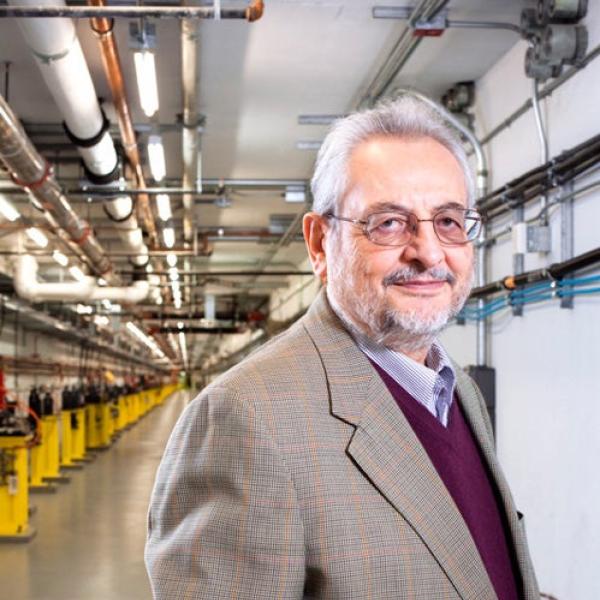
A researcher interviewed SLAC and Stanford administrators, scientists and Nobel laureates and sifted through archival materials to better understand the drivers for change in...
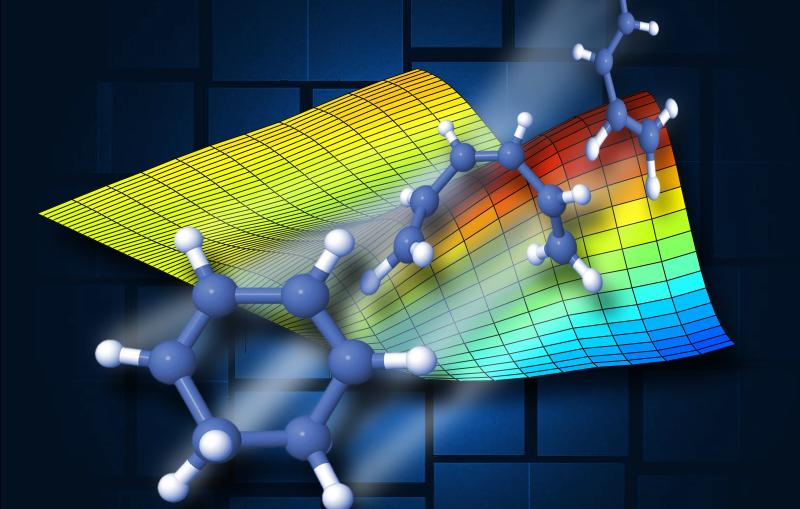
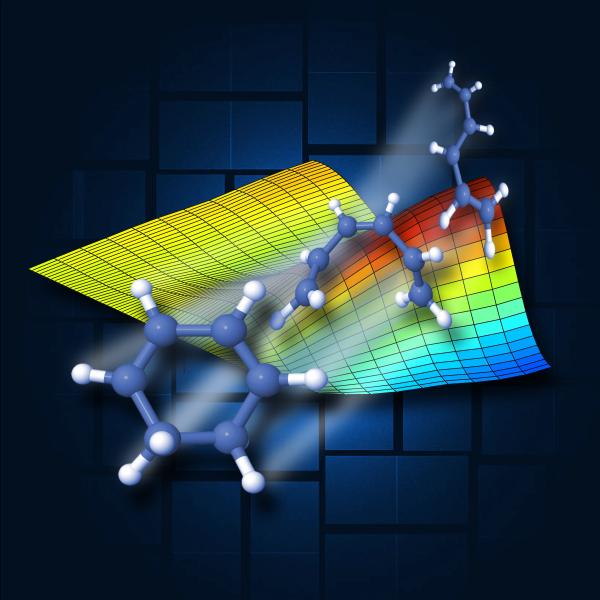
Scientists for the first time tracked ultrafast structural changes, captured in quadrillionths-of-a-second steps, as ring-shaped gas molecules burst open and unraveled.
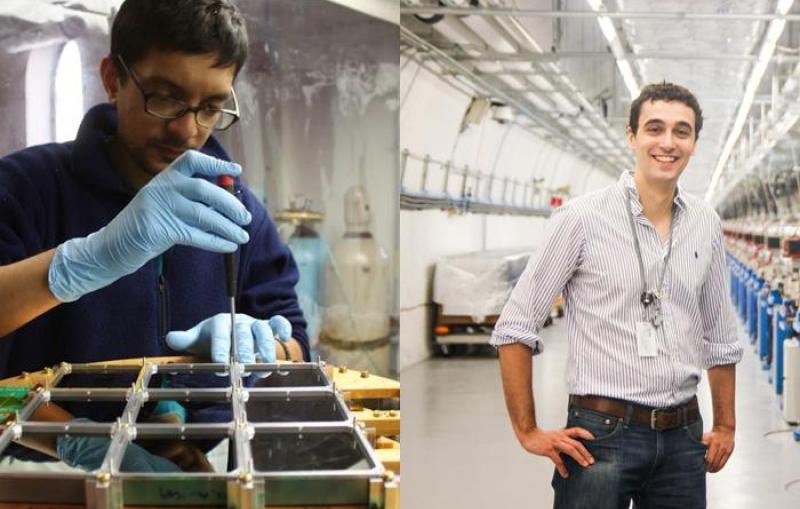
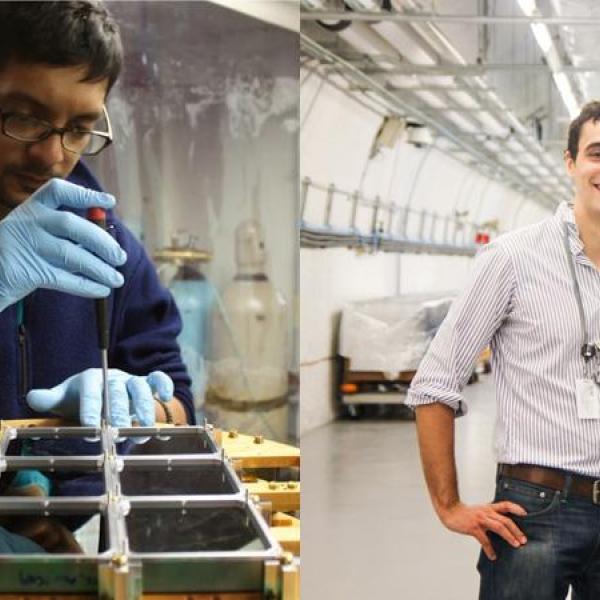
The fellowship will support their research on new capabilities for the lab's X-ray free-electron lasers and new telescope technology to look for signs of...
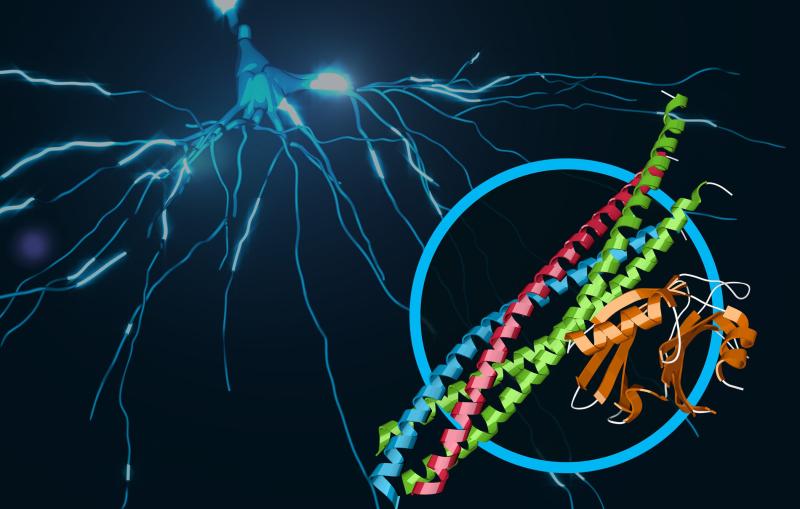
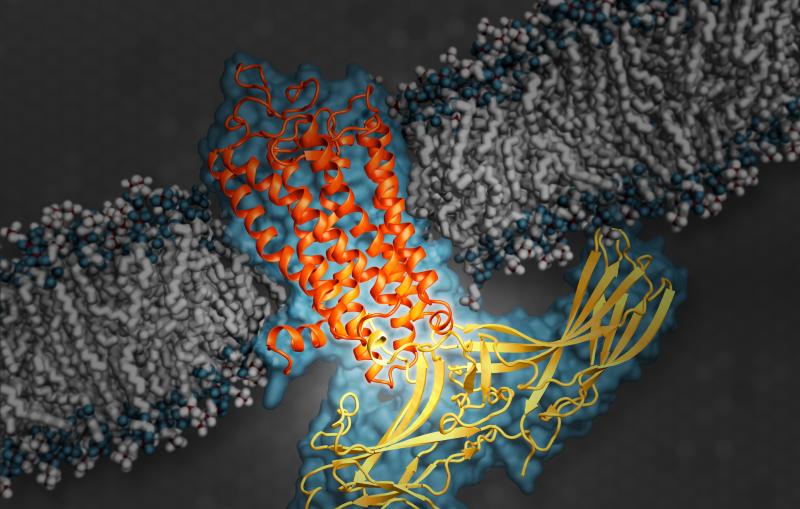
A team led by Stanford University scientists is using software to breathe new life into results from past biological experiments at SLAC’s X-ray laser.
Using SLAC's X-ray laser, researchers have for the first time directly observed myoglobin move within quadrillionths of a second after a bond breaks and the protein releases a gas molecule.
A major international effort at SLAC is focused on improving our views of intact viruses, living bacteria and other tiny samples using the brightest X-ray light on Earth.
A researcher interviewed SLAC and Stanford administrators, scientists and Nobel laureates and sifted through archival materials to better understand the drivers for change in SLAC’s science mission.
Scientists for the first time tracked ultrafast structural changes, captured in quadrillionths-of-a-second steps, as ring-shaped gas molecules burst open and unraveled.
The fellowship will support their research on new capabilities for the lab's X-ray free-electron lasers and new telescope technology to look for signs of cosmic inflation.
A team led by Stanford University scientists is using software to breathe new life into results from past biological experiments at SLAC’s X-ray laser.