

SLAC topics

Medical RSS feed

SLAC research gives scientists a better understanding of how living things work, what makes us sick and how we can prevent and treat disease. Our accelerator research and development also has applications in the field of medicine. 

Related links:
Science of Life  
Advanced Accelerators
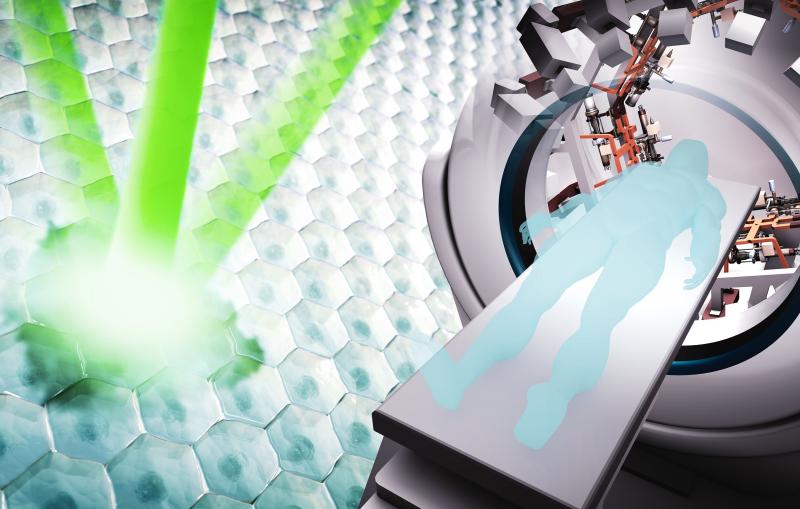
Researchers at SLAC and Stanford are developing new accelerator-based technology that aims to speed up cancer radiation therapy.
Feature

SSRL protein crystallography expert joined research effort that could lead to a safe and effective alternative to chemotherapy.

Feature

After working with particle accelerators his entire professional career, Heather Rock Woods’ father placed himself in the path of a beam to fight cancer.

News Release

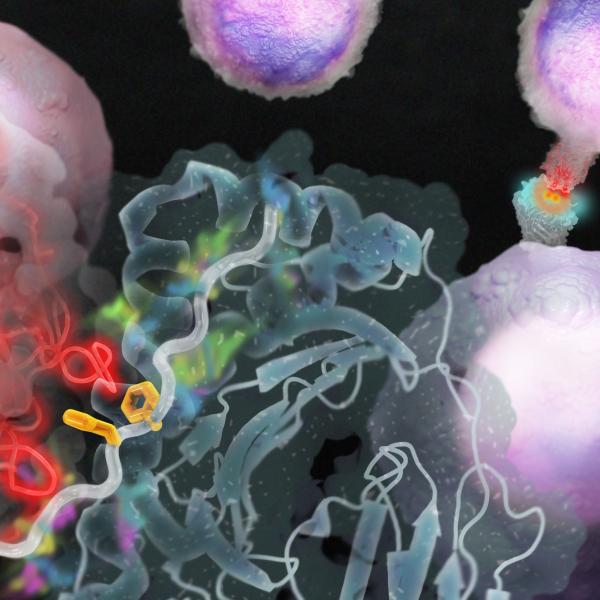
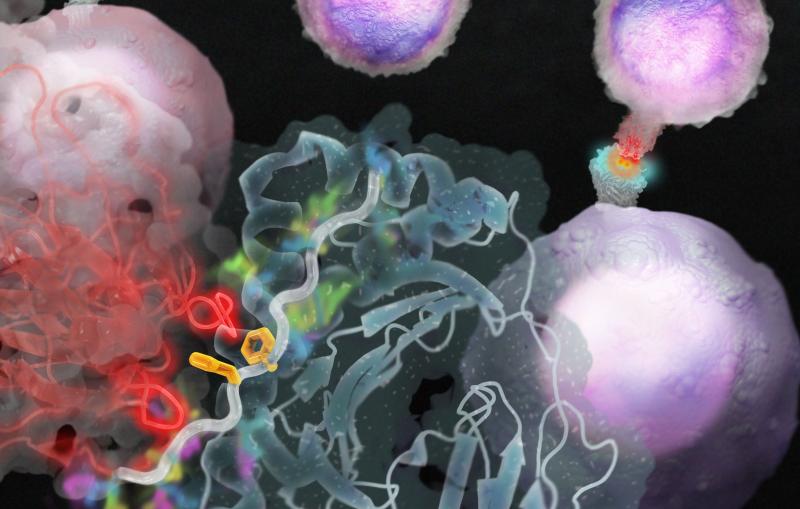
By finding surprising similarities in the way immune system defenders bind to disease-causing invaders, a new study may help scientists develop new treatments.

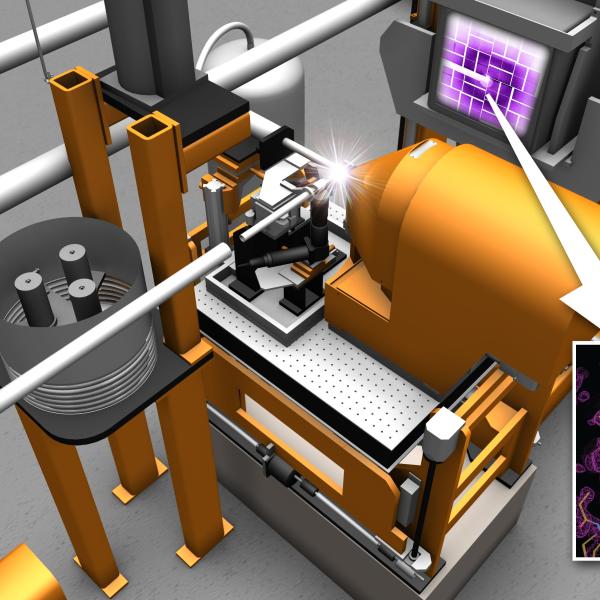
Conceptual art - see caption
Feature

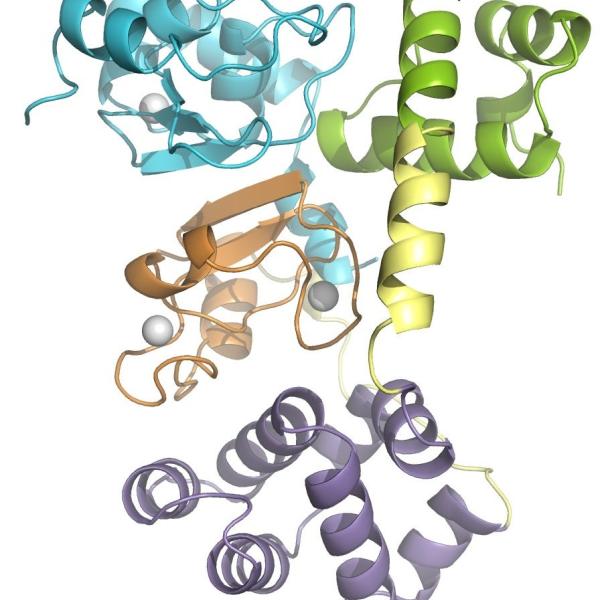
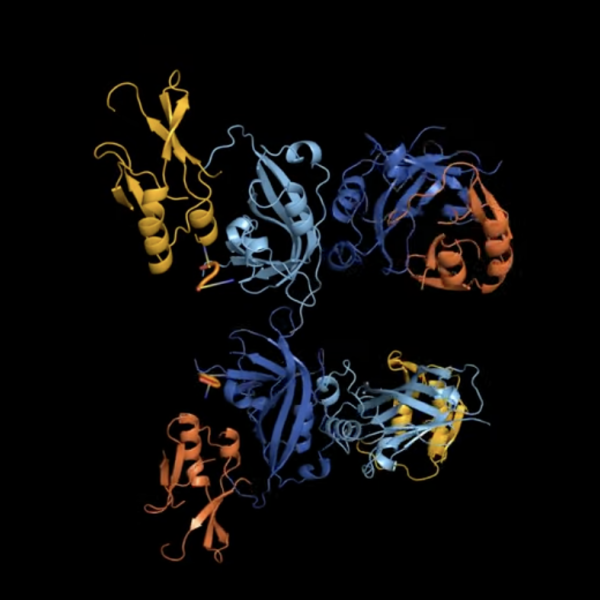
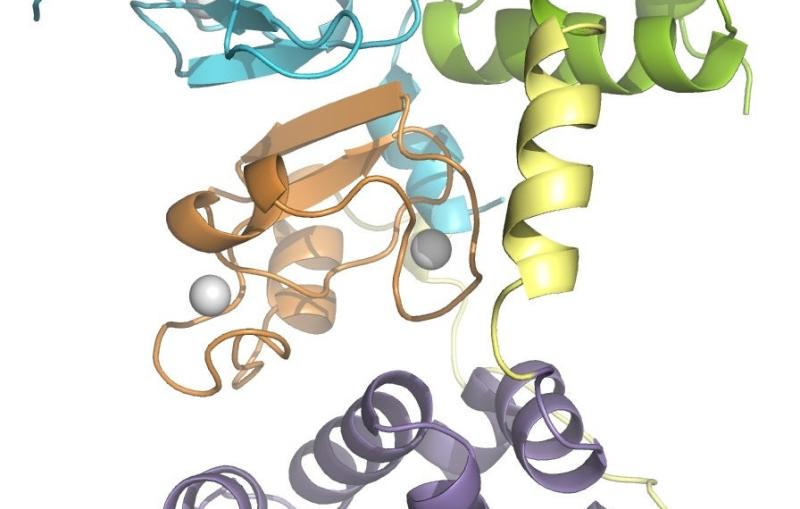
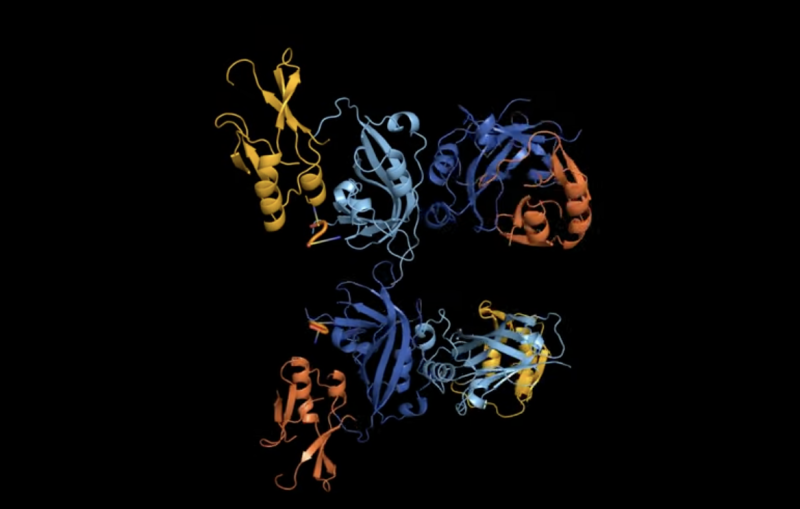
Researchers have discovered that an Ebola virus protein can transform into three distinct structures with different functions. This rather uncommon property provides new clues...

ebola protein
Feature

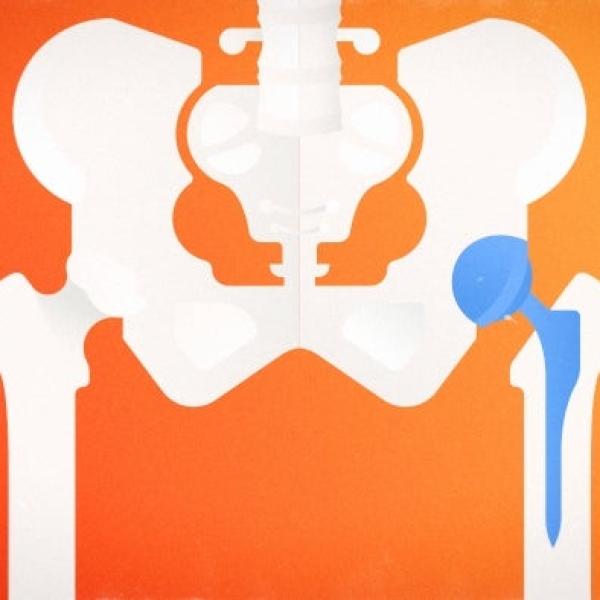
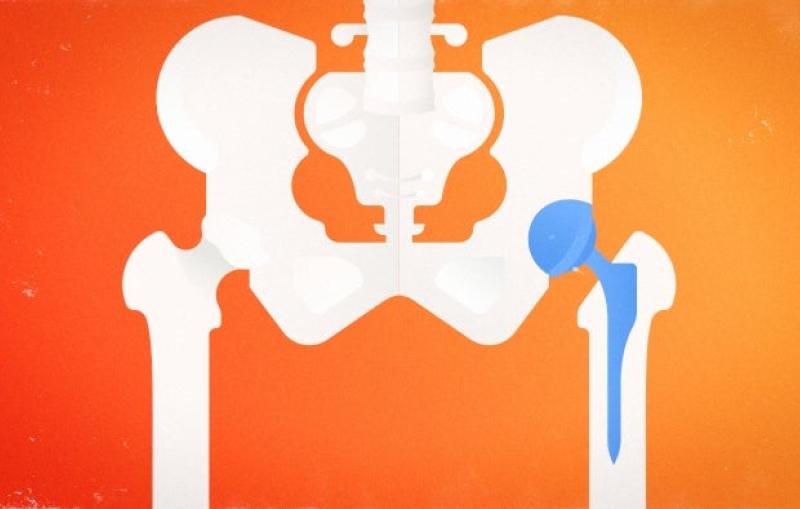
Companies are using an electron-beam 3-D printing process to manufacture medical implants.

Feature

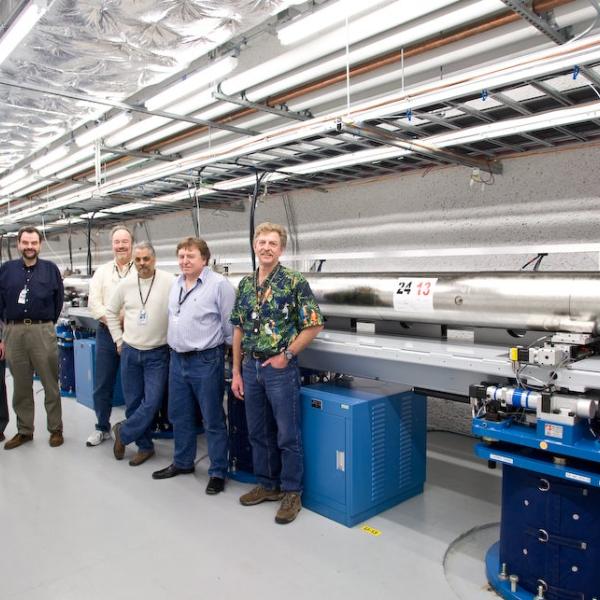
Five years ago, the brightest source of X-rays on the planet lit up at SLAC. The Linac Coherent Light Source (LCLS) X-ray laser's scientific...

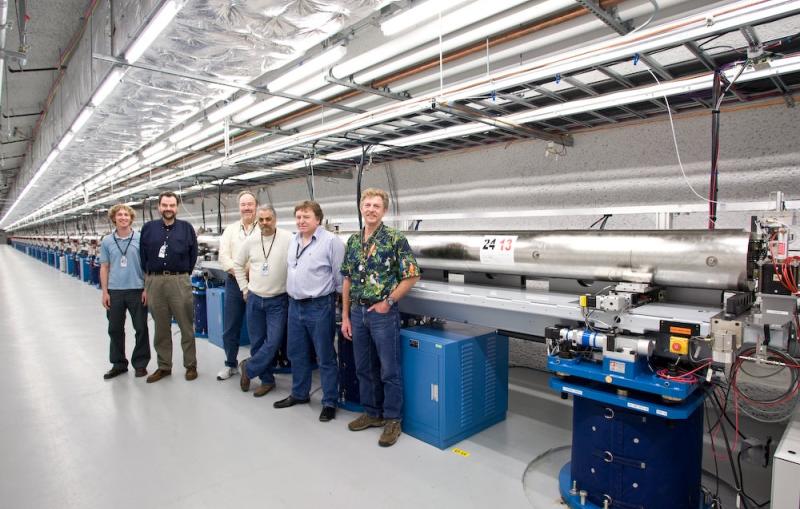
Image - Some of the LCLS team members stand by the newly installed undulators in this 2009 photo. From right: Mike Zurawel, Geoff Pile from Argonne National Laboratory, Paul Emma, Dave Schultz, Heinz-Dieter Nuhn and Don Schafer. (Brad Plummer)
Feature

A new tool for analyzing mountains of data from SLAC’s Linac Coherent Lightsource (LCLS) X-ray laser can produce high-quality images of important proteins using...

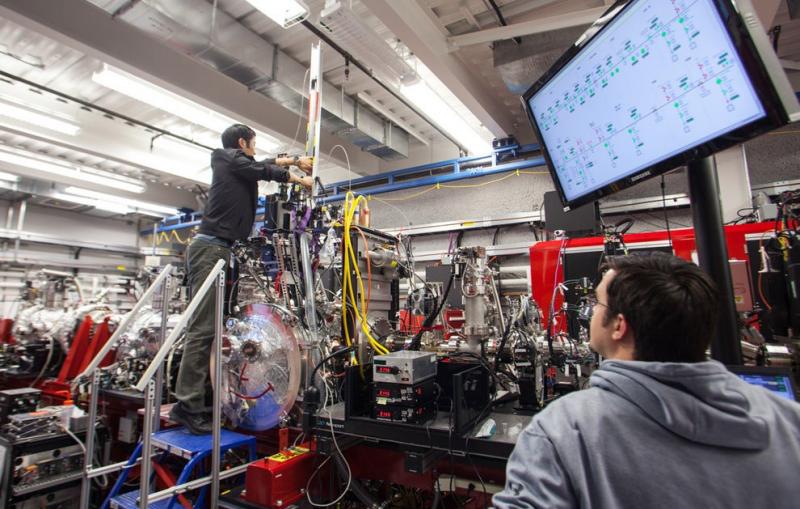
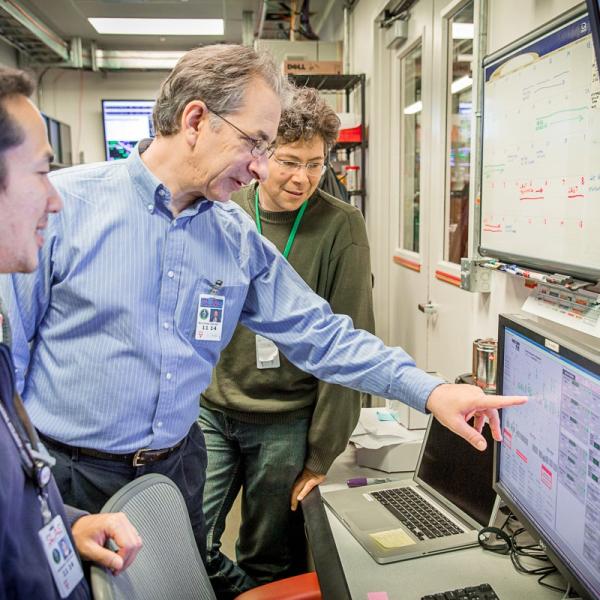
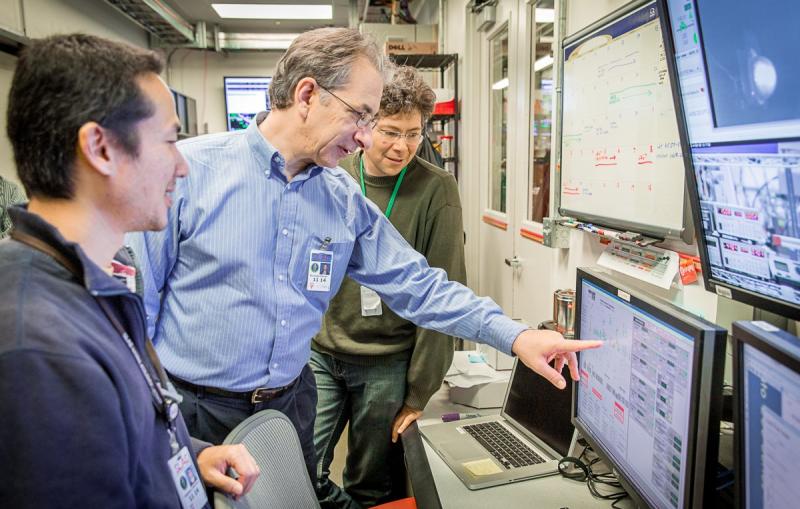
Photo - Nicholas Sauter, middle, points to a monitor during an experiment this month at SLAC's Linac Coherent Light Source X-ray laser.
News Release

New Technology Allows Faster, More Accurate Imaging of Hard-to-study Membrane Proteins

Illustration - man with migraine, serotonin receptor bound to anti-migraine drug
Feature

Two SLAC physicists with decades of particle accelerator experience helped a Silicon Valley company design and build X-ray devices that scan cargo containers for...

Photo - Juwen Wang, left, and Roger Miller. (Credit: ...
Feature

Last year's Nobel Prize in Chemistry – shared by Stanford School of Medicine Professor Brian Kobilka and Robert Lefkowitz of Duke University – recognized...

Image: Researchers Dingjie Wang and Garret Nelson fro...
News Release

X-rays Pinpoint Drug Target for Bacteria that Affect Hundreds of Millions Worldwide

Image - Diagram of protein overlayed on microscope im...
Feature

Understanding why proteins interact with certain specific molecules and not with the myriad others in their environment is a major goal of molecular biology.

Conceptual art showing proteins and viruses